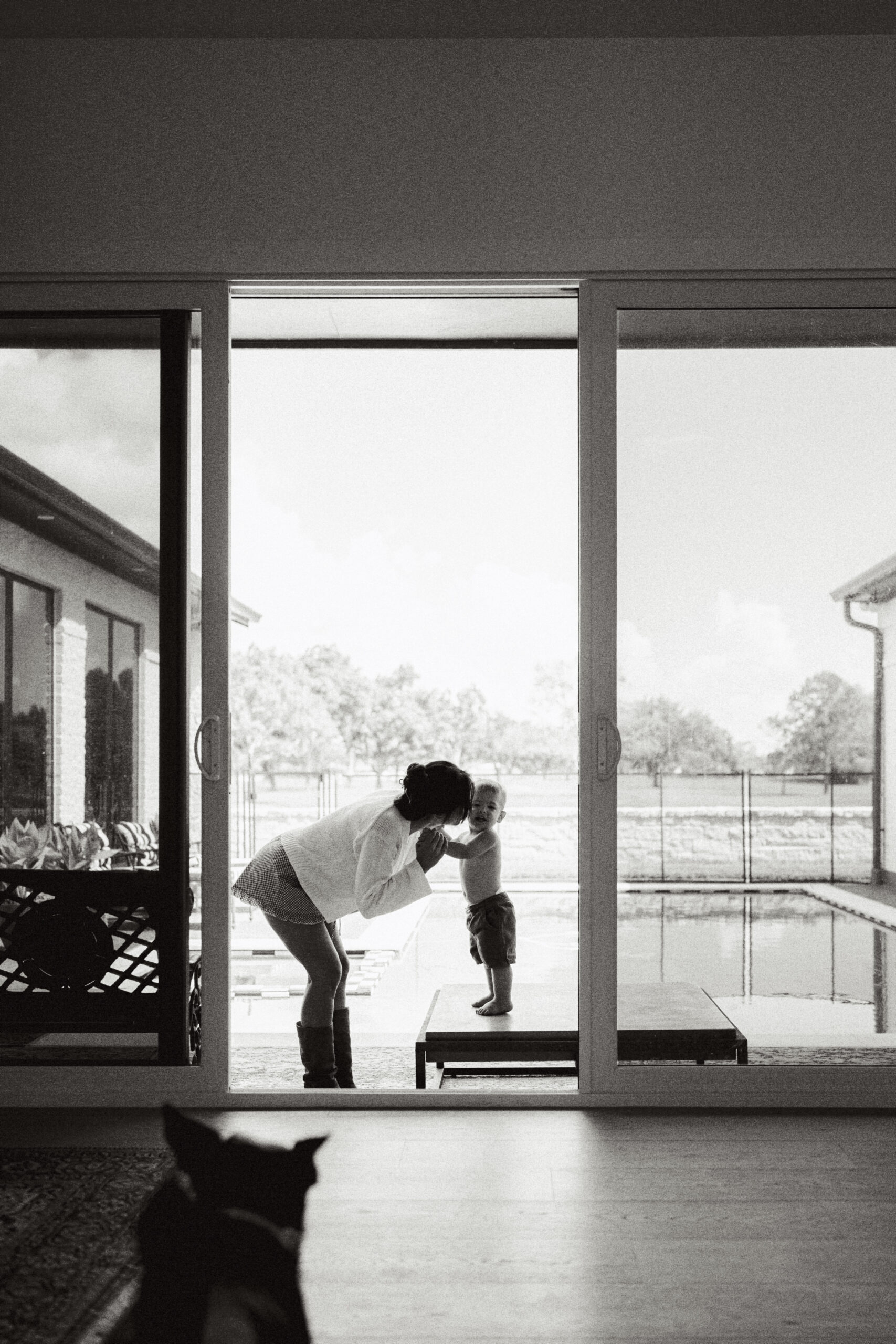


Photography business coaching doesn’t always look like a formal strategy session. Sometimes it looks like a candid hot seat conversation where one photographer’s questions unlock something for an entire community. In Episode 138 of the Motherhood Anthology podcast, TMA mentor Suzy Brown joins host Kim Box for exactly that kind of moment, working through a real coaching session with TMA member, Tifa, who is growing fast and just trying to make sure her business grows in the right direction.

Show the Work You Want to Book, Not Just the Work You Have
Tifa came into the hot seat with a clear sense of where she wanted to go. She had been shooting lifestyle sessions full time for just under a year, had recently opened a rental studio in Chicago, and was busy by most measures. But the sessions filling her calendar weren’t quite the sessions she felt most alive shooting. She wanted more full sessions, more room to tell a family’s story, fewer back-to-back minis. Her Instagram, though, was telling a different story.
Suzy’s first observation cut right to the heart of it. Looking at Tifa’s website, she had noticed pockets of work that were genuinely stunning, the kind of heartfelt, in-between moments Tifa said she wanted to create more of. But Tifa’s Instagram was full of new faces and fresh sessions, posted quickly to show volume and variety, not to attract a specific type of client.
The fix isn’t complicated, but it does take courage. Suzy’s advice: go through your existing sessions and start sharing the images that scare you a little. The ones that feel raw or real or outside the safe portrait box. “If you feel scared about that, if it feels like scary, then that’s probably the right image to share. I always joke around, if it makes you ill, then it probably is the right move.” Your portfolio and your Instagram should reflect the photographer you’re becoming, not just document the work you’ve already done.
For photographers who aren’t fully booked yet, Suzy recommended dedicated portfolio-building sessions to create that content intentionally. For someone like Tifa who is already busy, the approach is more subtle: within your existing sessions, keep an eye out for those unscripted moments, a parent repositioning a child, two siblings solving a problem together, a glance that no one asked for but everyone will treasure. Capture one to five of those images per session. Deliver the gallery your clients booked, and then quietly start building the body of work that will attract the next chapter of your business.
Pricing, Minis, and the Permission to Charge What You’re Worth
Pricing came up naturally as Tifa shared more of her business picture. She had recently made a brave move, removing a 30-minute session option from her website and simplifying to full sessions only. The response surprised her: clients started booking the higher-priced options without pushback. But she still wrestled with the emotional weight of raising her mini session prices, worrying about the clients who might genuinely not have the budget and feeling like she was shutting people out.
Suzy met that honestly. Many photographers, especially those who care deeply about families, carry this tension. The impulse to give and give until there’s nothing left is real, and it’s not a character flaw. But it is a cycle worth breaking. Her practical solution for mini sessions: make the difference between a mini and a full session so clear that clients can see the value of each without comparison shopping between them. A 30-minute mini and a 60-minute full session blur together. A 15-minute mini and a 2-hour full session tell two completely different stories. The mini becomes an invitation to meet you, not a discount version of the real thing.
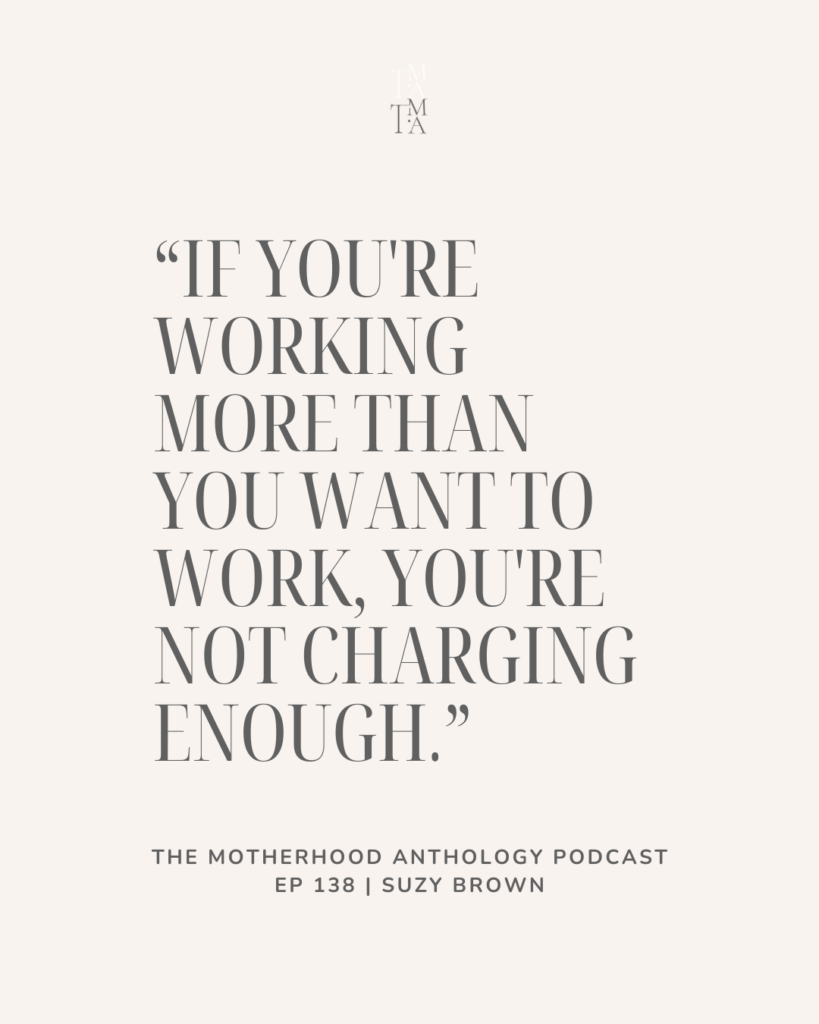
Kim added her father’s wisdom here, a piece of advice that landed for the whole room: “If you’re working more than you want to work, you’re not charging enough.” When revenue isn’t the problem but your schedule is, that’s the signal. It’s not about turning people away. It’s about building a business where the volume of work you’re doing reflects the life you actually want.
For shifting more sessions to weekdays, Suzy’s suggestion was equally concrete: make your current price the weekday rate, and charge more for weekends. Then do the marketing work to make weekdays sound appealing. In a city like Chicago, a weekday downtown session means you have the lakefront and the architecture to yourself. A morning session can become a whole family occasion. Parents who work from home have more flexibility than they think, and they’ll use it if you make the case for why it’s worth it.
Confidence Work Is Part of the Photography Business Work
What made this hot seat memorable wasn’t just the tactical advice, though there was plenty of it. It was the way Suzy wove in the inner work alongside the outer strategy. Raising prices, curating your Instagram, shifting the kind of sessions you offer — none of that happens sustainably without the belief underneath it that your work is worth it. That you are worth it.
Suzy spoke openly about her own history with low self-confidence, how she built the warmth and ease that TMA members see in her now over many years and through deliberate, sometimes unglamorous practices. Small daily rituals of self-care, the habit of naming her fears out loud rather than letting them quietly run the show, the patience to learn to trust herself again after a period when she didn’t. “There’s not, I feel like we are our biggest barrier.”
For Tifa, hearing that was visibly meaningful. She had arrived at the hot seat already doing so much right, full-time in her business, recently out of a layoff, juggling a toddler, a new studio, and a genuine artistic vision. What she needed wasn’t a complete overhaul. She needed the specific, honest feedback that TMA is built to provide, and the reassurance that the instincts she already had were pointing her somewhere good.
The episode also included a second question from Jasmine, a photographer in her first year of motherhood work who was preparing for an in-person market and trying to figure out how to convert foot traffic into actual bookings. Kim shared what worked for her own business years ago: offering double-value gift certificates available only at the market, redeemable during the slower January and February months. Not a strategy for every season, but a smart way to build early client relationships, fill your calendar during slow periods, and get people committed to working with you before they’ve had a chance to second-guess it.
Listen and Learn More
If today’s conversation resonated with you, Suzy’s course Home Grown was built for exactly this kind of photographer. It teaches family photographers how to lead sessions with presence, confidence, and creativity, so you’re never relying on a pose bank or hoping the family cooperates.
Find Suzy at simplybysuzy.com or on Instagram at @simplybysuzy.
Ready to build a business that reflects your own creative voice? The Motherhood Anthology membership gives you access to expert mentors, live coaching, monthly marketing suites, and a private community of photographers who are invested in your success. Learn more and join at themotherhoodanthology.com.

The Motherhood Anthology is a community and educational resource for photographers who want a profitable and sustainable business they love. With 15+ expert mentors and 7+ years of proven content, TMA helps portrait photographers build confident, thriving businesses through monthly education, mentorship, and a supportive community of 700+ members.