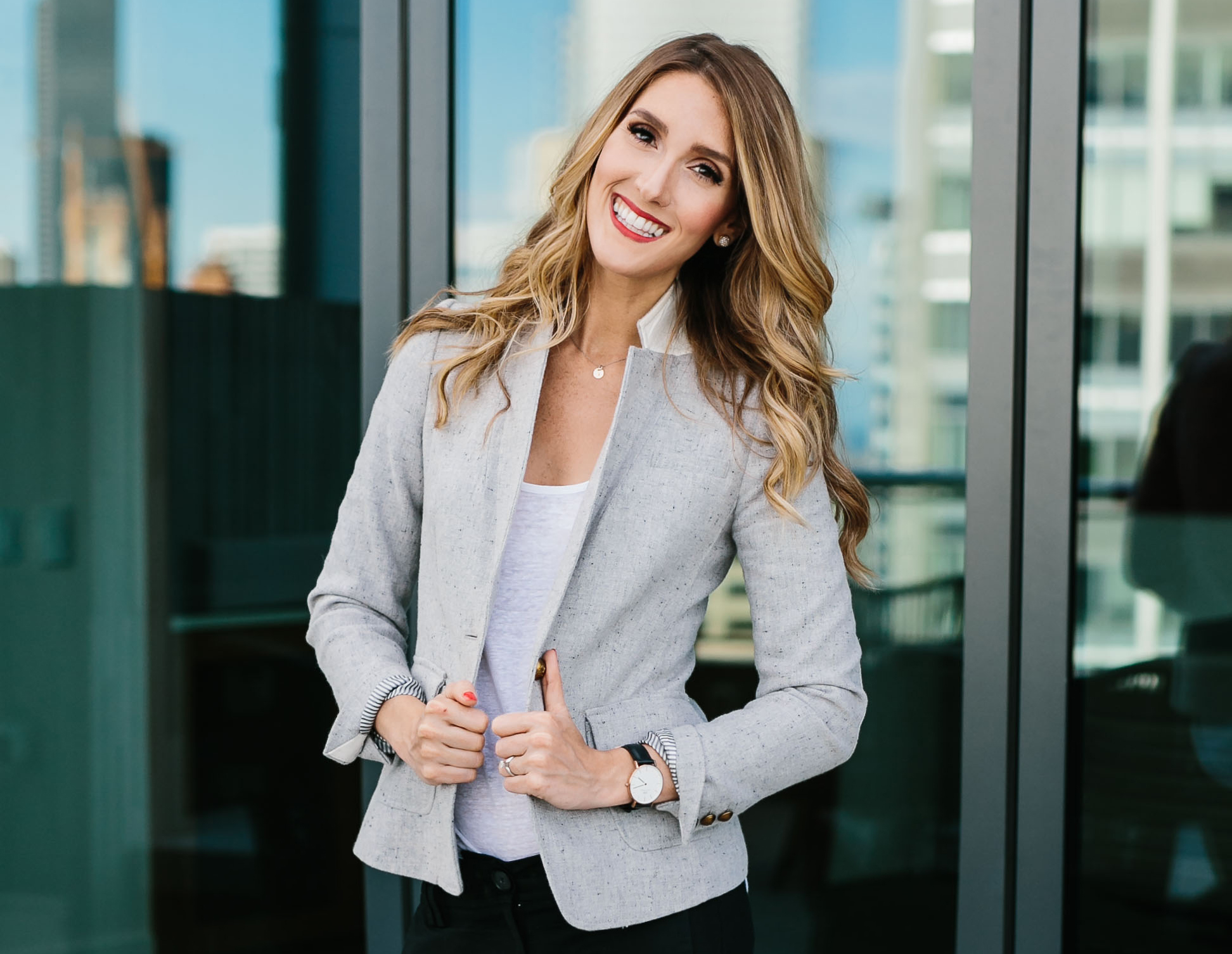
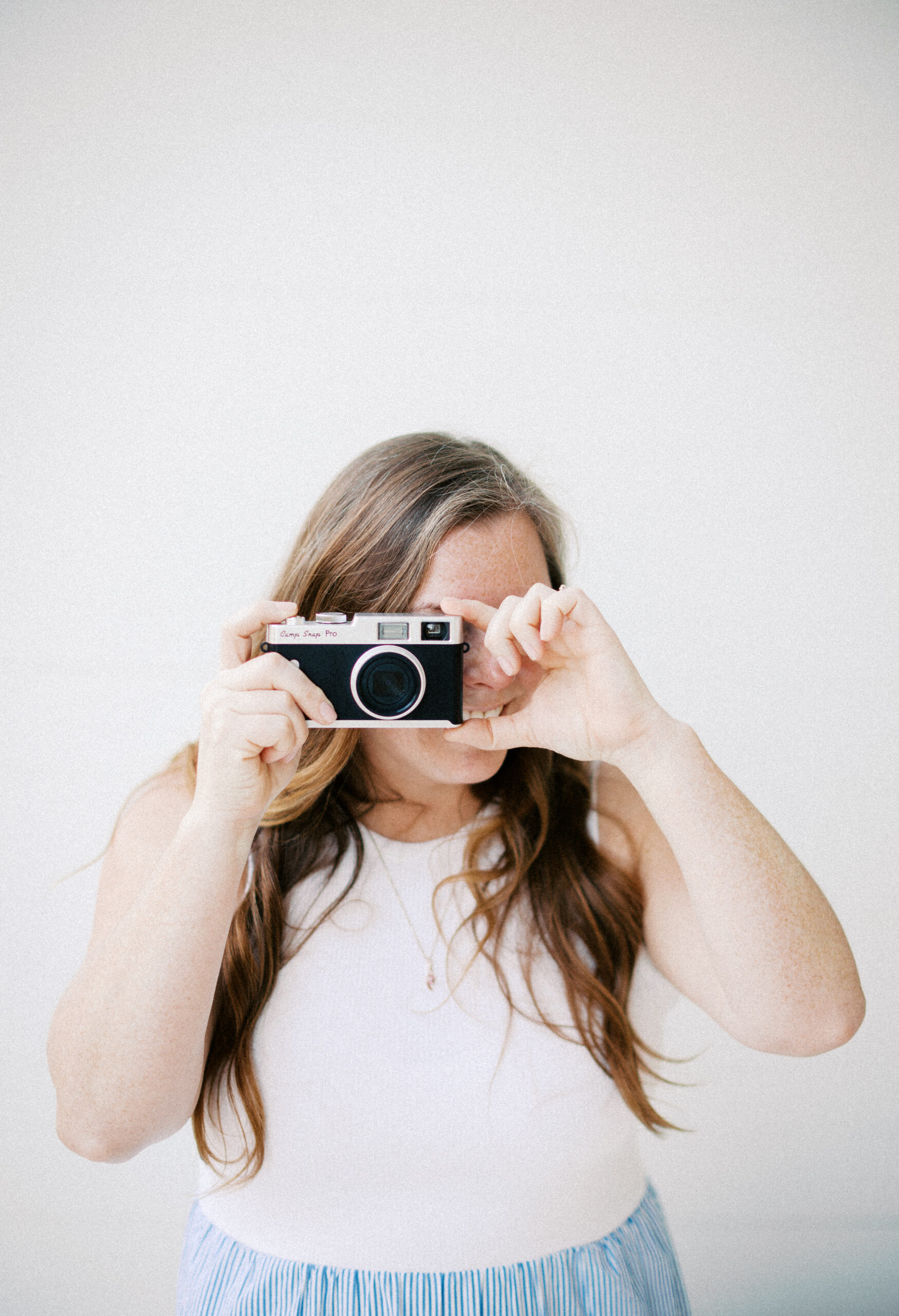
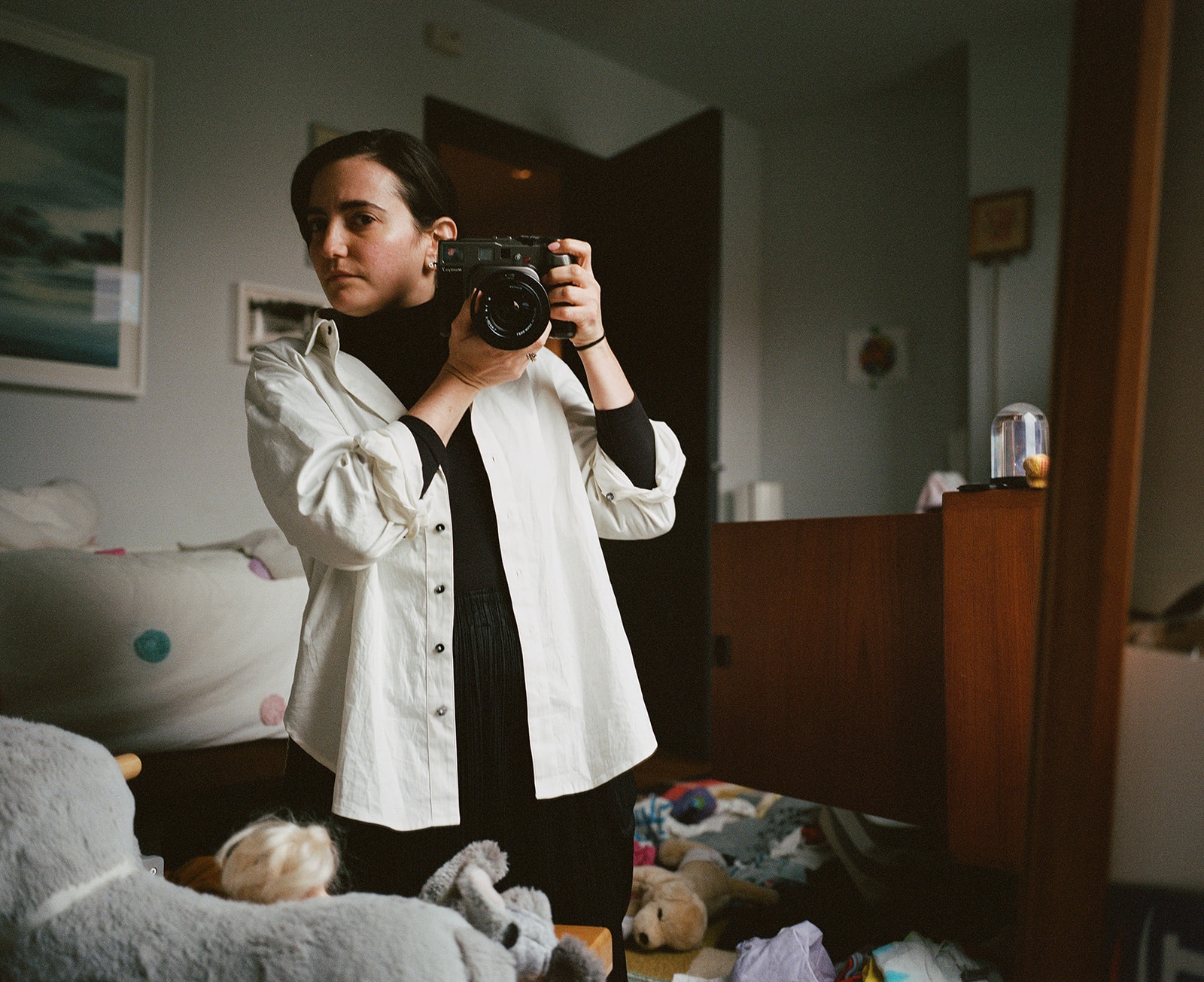
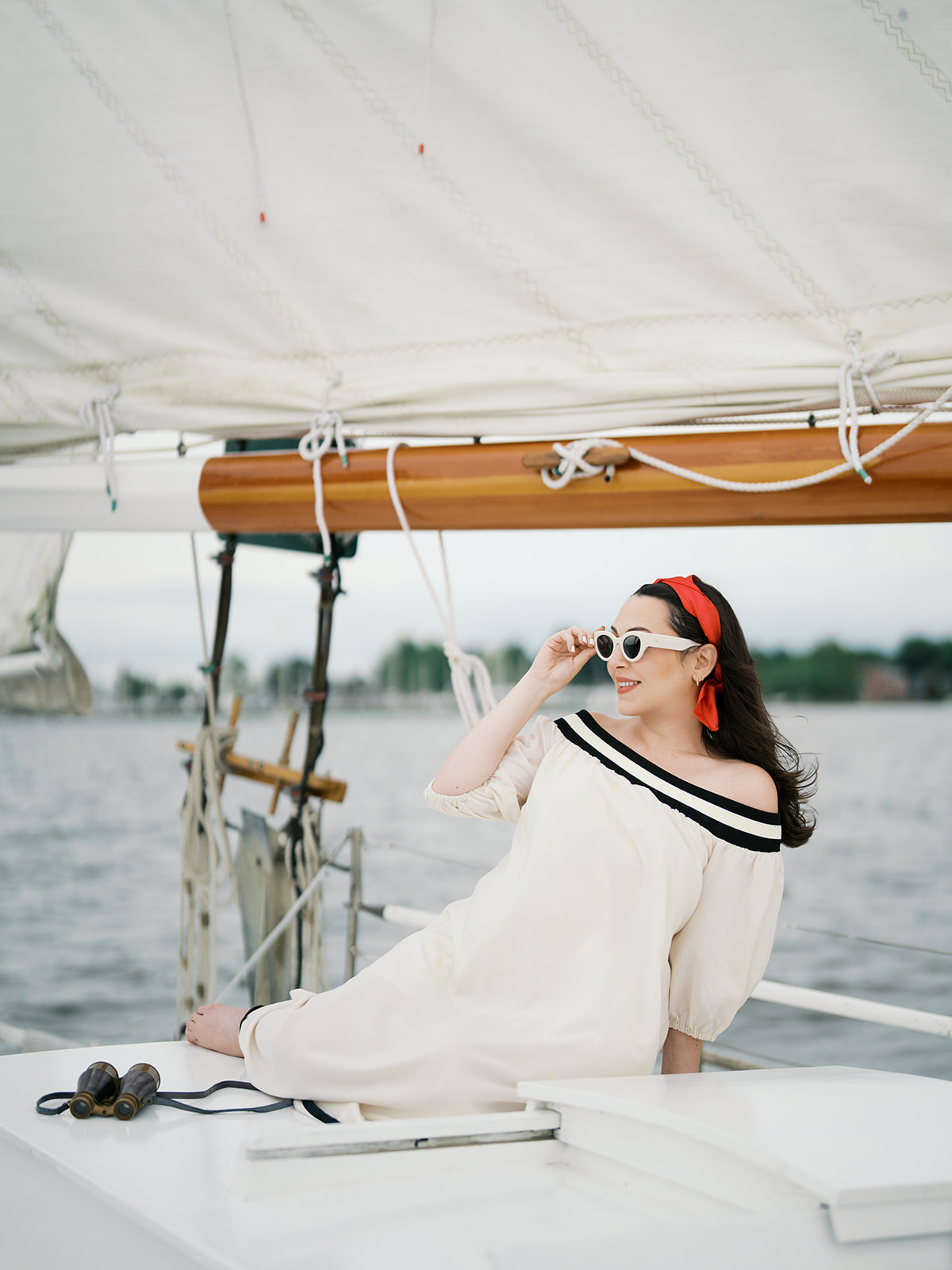
If you’ve ever bought a preset because someone else’s photos looked incredible, only to apply it to your own images and wonder why it doesn’t look the same, you’re not alone. It’s one of the most common frustrations photographers bring to The Motherhood Anthology community, and it usually isn’t a preset problem at all. On this episode of the podcast, guest host Shannon Griffin sits down with editor Nina Cornelison to talk about building an editing style board, the tool that helps photographers get consistent, true-to-brand results instead of chasing someone else’s look.
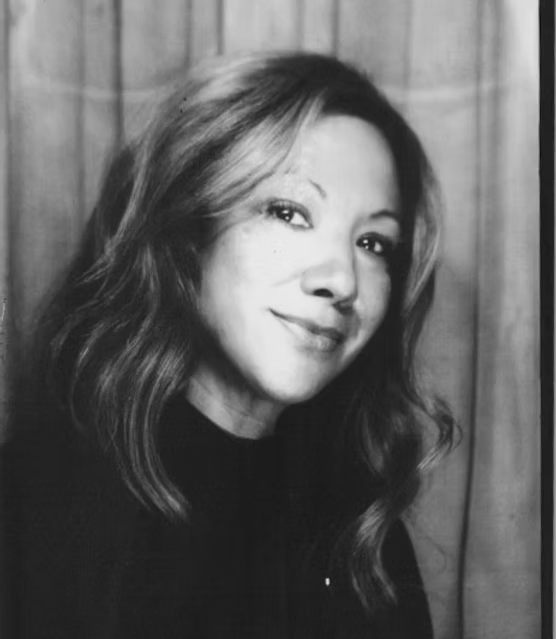
Nina’s path into wedding and portrait editing didn’t start in photography at all. She spent years in retouching and color correction for major retail brands before bringing that corporate design background into her private editing business. That mix of experience is exactly why her approach to consistency looks a little different, and a lot more useful, than “just buy this preset.”
Building an Editing Style Board That Reflects Your Brand
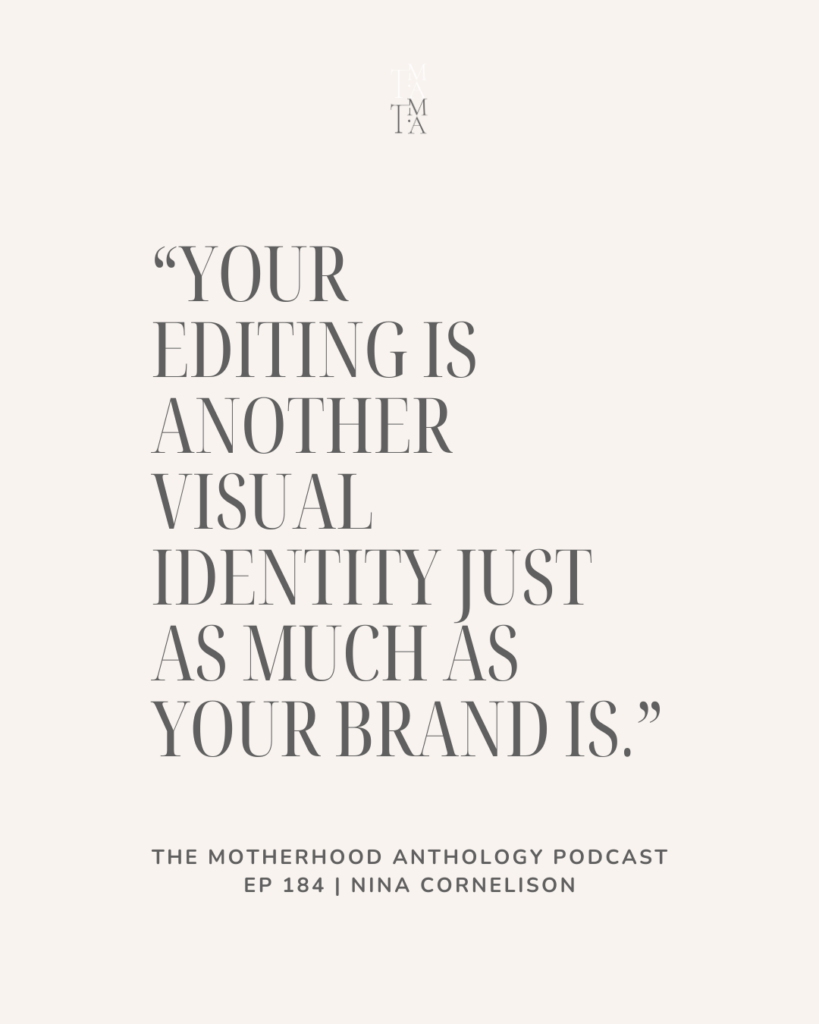
The heart of the episode is Nina’s concept of the editing style board, a reference guide built the same way a brand designer builds a color palette or a font guide. Instead of guessing at tones from session to session, or trying to reverse engineer someone else’s edit, photographers work through their own inspiration images, identify the patterns in what they’re drawn to, and use that as a foundation going forward. Nina put it simply when she described her own realization: “It’s the visual identity, like your editing is another visual identity just as much as your brand is.”
That idea came from Nina’s own career, moving between fine art color matching, corporate retail design, and eventually wedding editing. An art director once told her not to separate her skill sets just because she’d changed industries, and that advice stuck. She started asking, in her words, “how can I bring in the graphic design and visual identity side into color correction?” The answer became the style board process she now walks her editing clients through: pulling inspiration images, noticing the common threads, and building a reference that carries across a portfolio, a website, and a gallery, not just a single session.
Nina’s Journey from Color Correction to Wedding Editing
Nina’s background gives her a diagnostic approach that shows up throughout the conversation. Long before she edited a single wedding, she spent a decade color matching fine art prints at an auction house, then moved into corporate retouching for national retail brands. When COVID shifted her career, she brought that same process into private wedding editing: observe the image first, diagnose what isn’t working, then adjust. She’s only half joking when she says she wants to trademark the phrase.
That diagnostic mindset carries directly into one of the episode’s most requested topics: skin tone retouching. Nina and Shannon talk candidly about the fact that consistency should never mean flattening every client’s skin tone into the same result. As Nina explained, working across a range of skin tones takes real intention. “You don’t want somebody of color to look purple, right? Because this other person looks good.” The goal isn’t uniformity, it’s making sure every client’s true coloring is represented accurately and beautifully, session after session.
Shannon brings her own experience into the conversation too, especially around how photographers can lose confidence in their editorial decisions. Her advice to photographers who feel like they’re constantly second-guessing client preferences was direct: “Stop letting your clients tell you what they want and show them what they need.”
Why Consistency Comes Back to Community and Education
What comes through most in this conversation is how much photographers benefit from talking these questions through out loud, rather than guessing alone or chasing trends in a preset Facebook group. Nina and Shannon both point out that over consuming inspiration, without a filter or a foundation, is what sends photographers down the rabbit hole in the first place. Having language for your own visual identity, and a process for testing decisions like gallery size or black-and-white delivery against your actual ideal client, takes the guesswork out of editing.
That’s the kind of conversation The Motherhood Anthology community exists for. Between mentor-led coaching, live calls, and a private group of photographers working through the same questions, members don’t have to figure out their editing identity in isolation. Nina is even bringing this exact process into a new group coaching program launching in October, giving photographers a guided way to build their own reference board from the ground up.
Listen and Learn More
If you’ve been chasing consistency preset by preset, this episode is worth a listen. Nina and Shannon work through skin tone retouching, gallery curation, black-and-white delivery, and how to build a style board that actually reflects your brand, not someone else’s feed.
Find Nina at ninaphotoeditor.com or on Instagram at @nina_photoeditor.
Nina’s group coaching program on building your own editing style board launches in October, and you can join the waitlist here.
Ready to build a business that reflects your own creative voice? The Motherhood Anthology membership gives you access to expert mentors, live coaching, monthly marketing suites, and a private community of photographers who are invested in your success. Learn more and join at themotherhoodanthology.com.

The Motherhood Anthology is a community and educational resource for photographers who want a profitable and sustainable business they love. With 15+ expert mentors and 7+ years of proven content, TMA helps portrait photographers build confident, thriving businesses through monthly education, mentorship, and a supportive community of 700+ members.