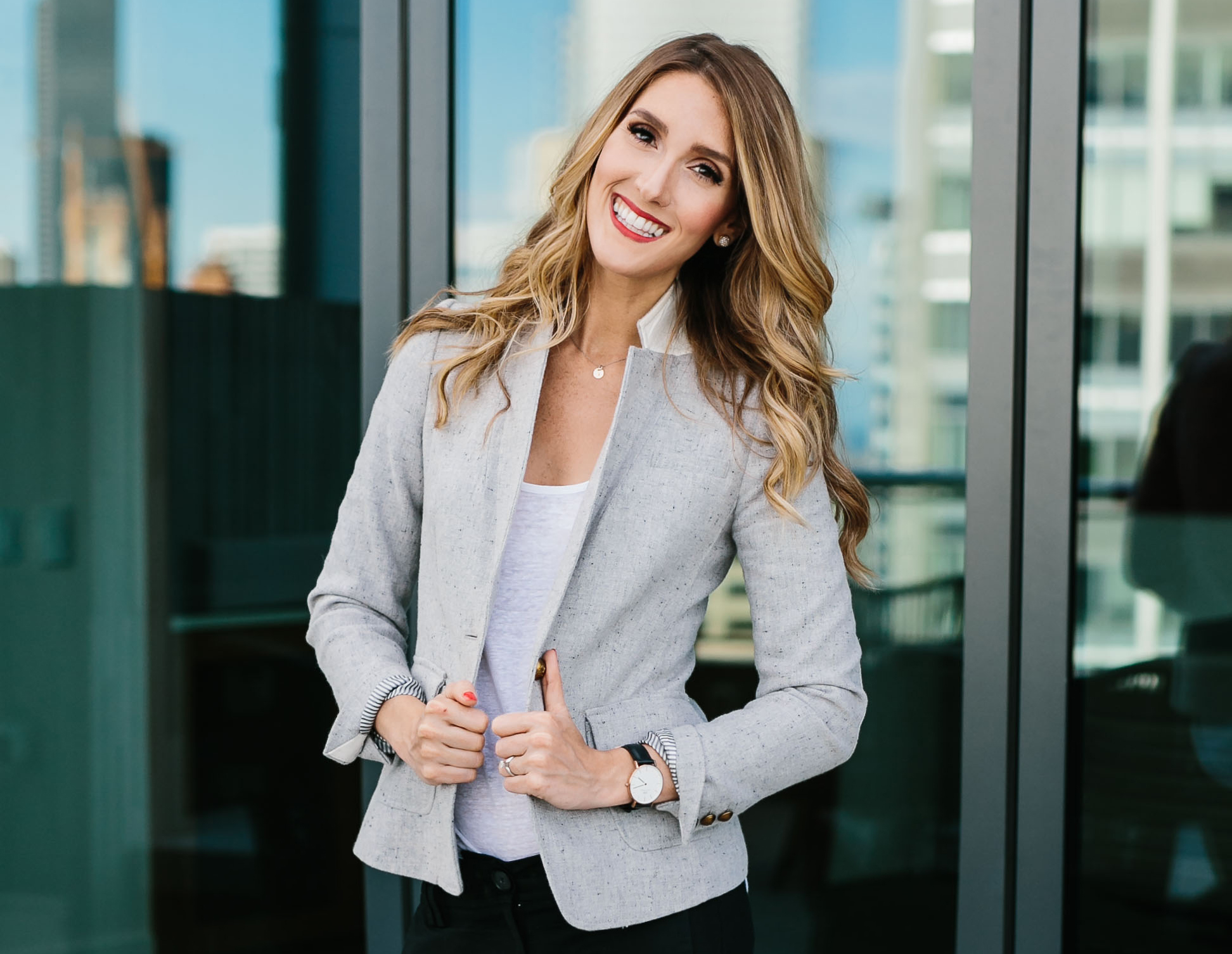
What does a photography marketing strategy actually look like when it’s working? Not the version where you post to Instagram twice a week and hope for the best, but a real, sustainable system that keeps your name in front of the right people, consistently. In Episode 134 of the Motherhood Anthology Podcast, TMA mentor Annemie Tonken breaks down the framework she calls the marketing windmill, and it just might be the clearest, most actionable approach to photography marketing strategy you’ll hear.

The Four Blades of the Marketing Windmill
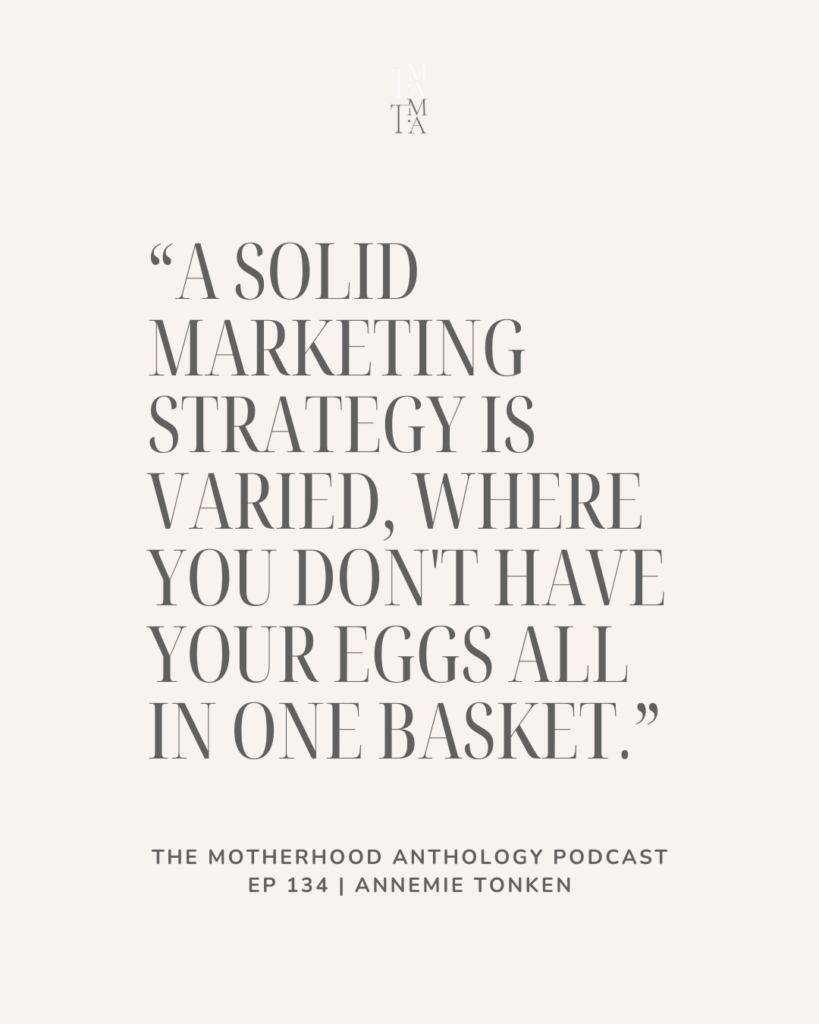
The core teaching Annemie brought to TMA this month centers on a simple but powerful idea: a solid marketing strategy is both varied and consistent. Most photographers either put all of their energy into one channel, say Instagram, or show up sporadically across several without any real plan. Neither approach moves the needle. The marketing windmill reframes how to think about it.
The windmill has four blades, each representing a different category of marketing: social media, email marketing, content marketing for SEO (think blogs, podcasts, or YouTube), and what Annemie calls “buzzworthy” marketing. That fourth category is the one she recommends starting with when you sit down to plan, because buzzworthy events, things like mini sessions, a new product line, mommy-and-me offerings, or a seasonal promotion, give you something to build content around. Instead of trying to come up with individual social posts, email ideas, and blog topics in isolation, you start with the thing you’ll be talking about and let the rest flow from there. It shifts the work from endless blank-page problem-solving to purposeful content planning.
The goal Annemie set for TMA members this month was to walk away with a well-planned 90-day content strategy that touches all four blades. Not a perfect plan, but a real one they could actually execute.
A Human-First Approach to AI and Marketing
A significant part of the conversation shifted to how AI tools like ChatGPT fit into a photographer’s marketing workflow, and Annemie’s take was refreshingly grounded. She’s a proponent of what she calls a “human-first” approach to AI, meaning the creativity, the direction, and the voice are always hers. AI is the brainstorming partner, not the decision-maker.
She shared the story of how the windmill metaphor itself came to life. She’d long taught a similar concept using the image of filling a jar with rocks, pebbles, sand, and water. But she wanted to teach it differently and sat down with ChatGPT to explore alternatives. The conversation went back and forth, she pushed back on ideas that didn’t resonate, and eventually landed on the windmill. That kind of collaborative process, where the photographer stays in the driver’s seat and uses AI to sharpen their thinking rather than replace it, is what Annemie encourages.
Members in the call shared their own experiences, including one photographer who found the custom GPTs Annemie built for the training made content planning feel manageable for the first time. The consensus: the tool is only as good as the human guiding it, but when used intentionally, it can be a genuine game-changer for busy photographers who have run out of bandwidth, not ideas.
Email, Social Media, and Bringing the Human Back
The live Q&A portion of the call surfaced some of the most practical takeaways of the episode. One TMA member shared that after a decade of relying almost entirely on Facebook, she was seeing engagement drop, even while her Google rankings climbed. Annemie’s response reframed the whole question: rather than chasing engagement on platforms where the algorithm controls visibility, the more strategic move is building a direct line of communication, primarily through email.
Email, in Annemie’s view, is the most stable and reliable marketing channel available to photographers. Algorithms change. Social feeds get noisy. But an email list is something you own. She recommends starting with a welcome sequence of three to five emails that introduce who you are, what you do, and invite people to respond, and then settling into a cadence of roughly two emails a month from there. Flowdesk is her go-to recommendation for photographers just getting started, and she noted that even if someone never opens your emails, your name showing up in their inbox regularly keeps you top of mind for when the moment arrives that they need to hire a photographer.
The social media conversation was equally candid. Annemie and the TMA team talked openly about how leaning on polished photography to carry all the weight on social media just isn’t working the way it once did. What’s actually driving connection right now is personality. One member on the call shared that a quick, funny Instagram story of her baby-wearing at Costco got thirty replies. Her average photo post gets one. The takeaway wasn’t to stop sharing your work. It was to mix it in with content that reminds people there’s a real human behind the lens, someone they’d actually want to invite into their home.
Listen and Learn More
Whether you’re just starting to think about email marketing, feeling stuck on social, or looking for a smarter way to plan your content, Annemie’s windmill framework gives you a clear place to begin.
Find Annemie at ThisCantBeThatHard.com or on Instagram @thiscantbethathard.
Ready to build a business that reflects your own creative voice? The Motherhood Anthology membership gives you access to expert mentors, live coaching, monthly marketing suites, and a private community of photographers who are invested in your success. Learn more and join at themotherhoodanthology.com.

The Motherhood Anthology is a community and educational resource for photographers who want a profitable and sustainable business they love. With 15+ expert mentors and 7+ years of proven content, TMA helps portrait photographers build confident, thriving businesses through monthly education, mentorship, and a supportive community of 700+ members.