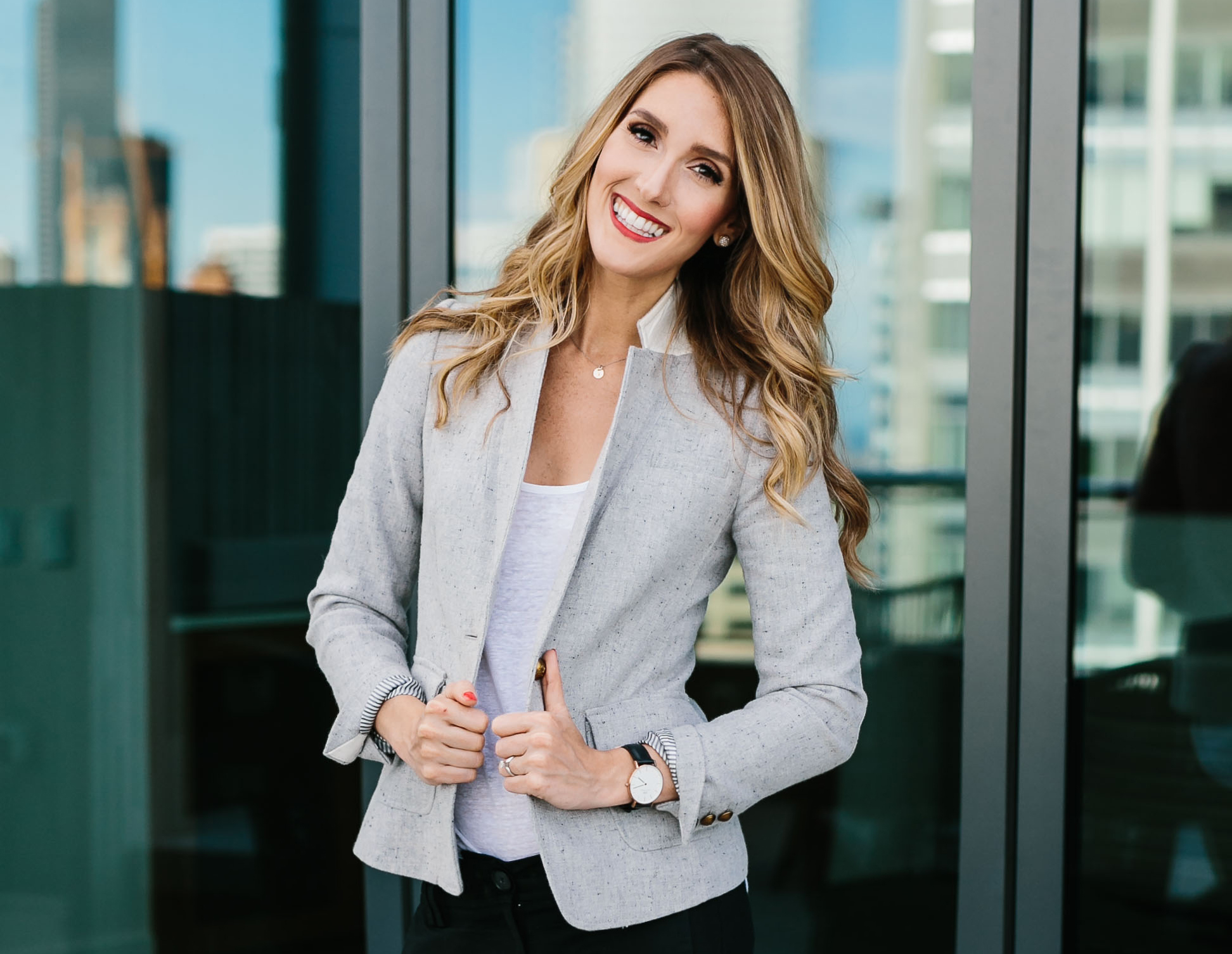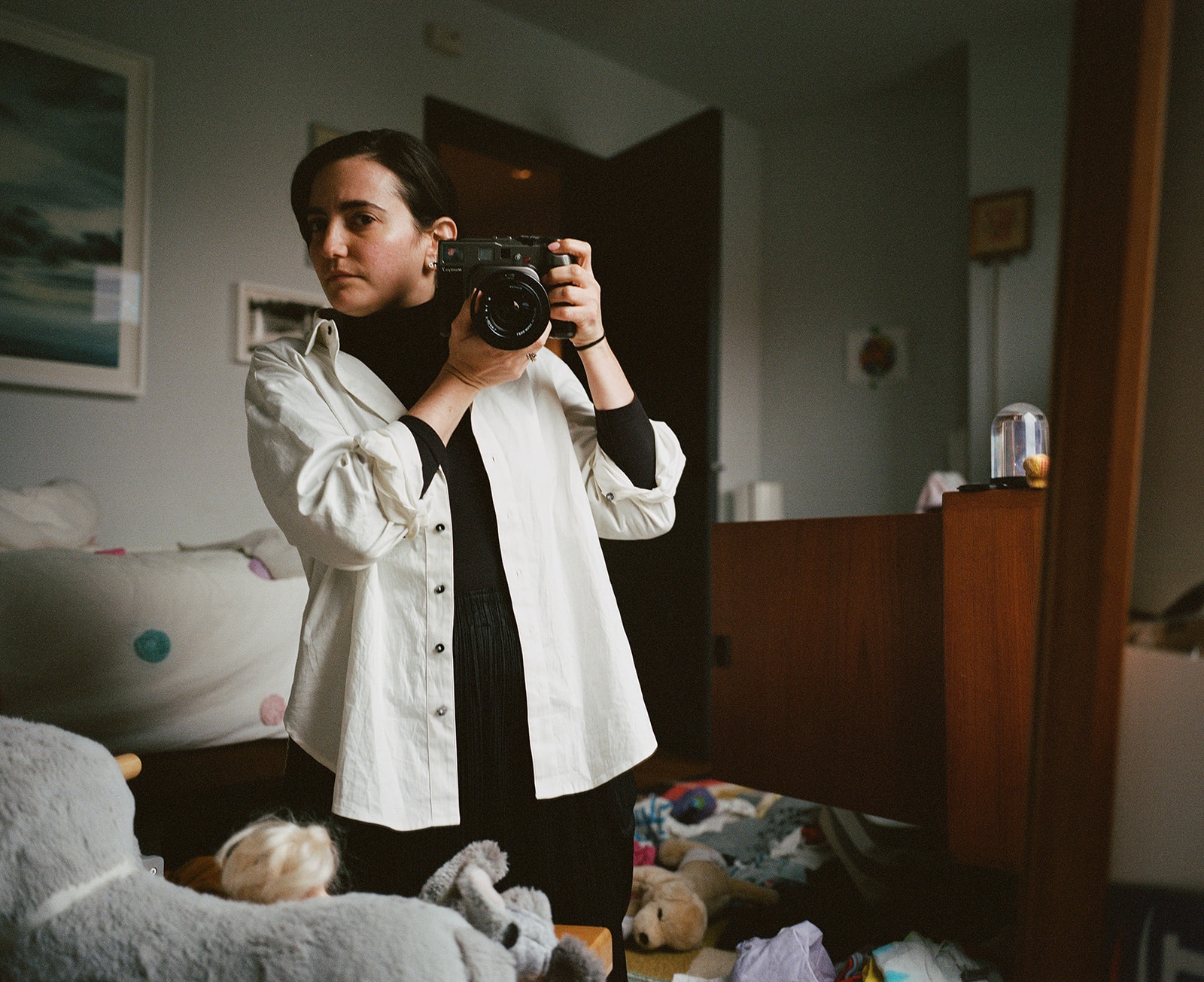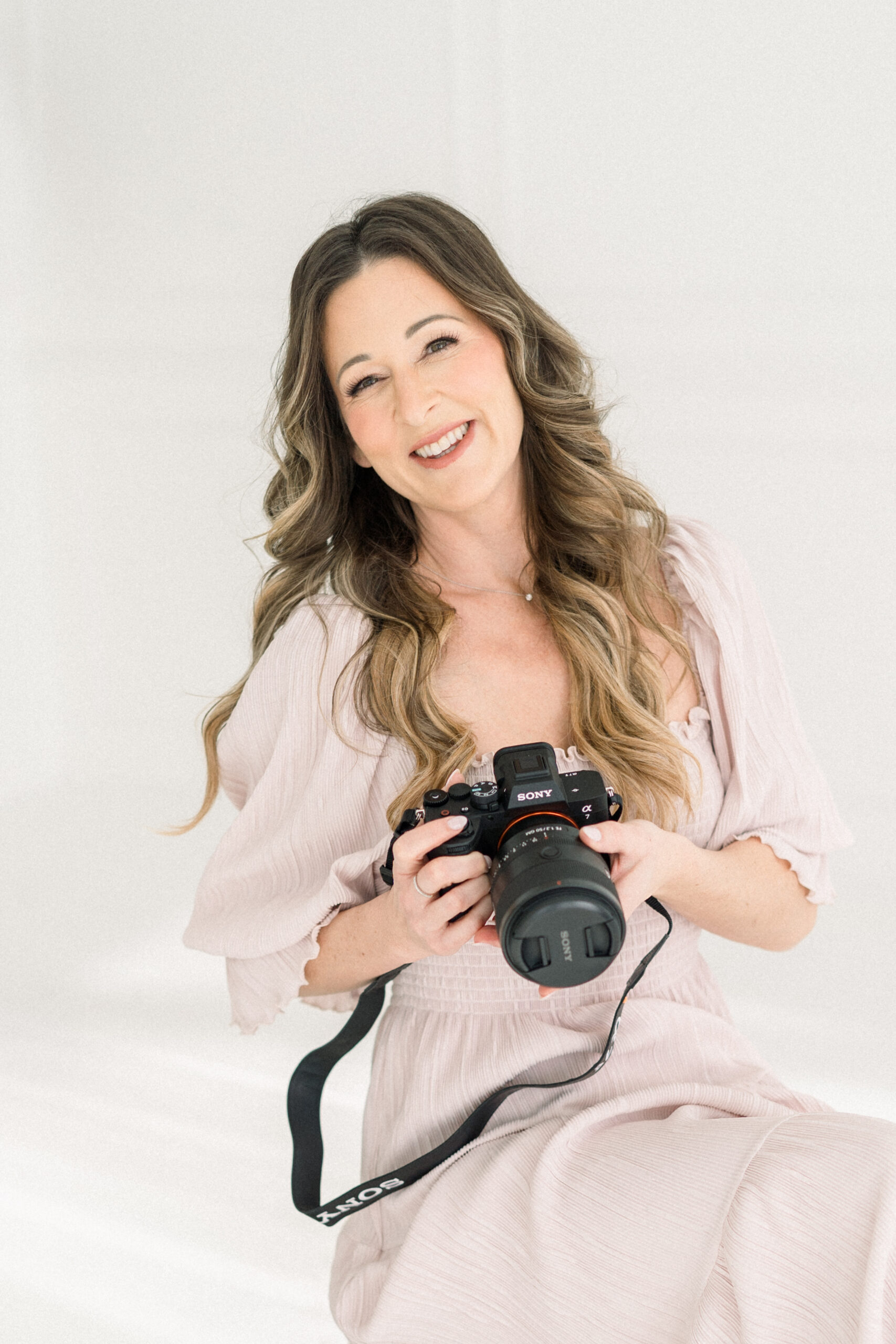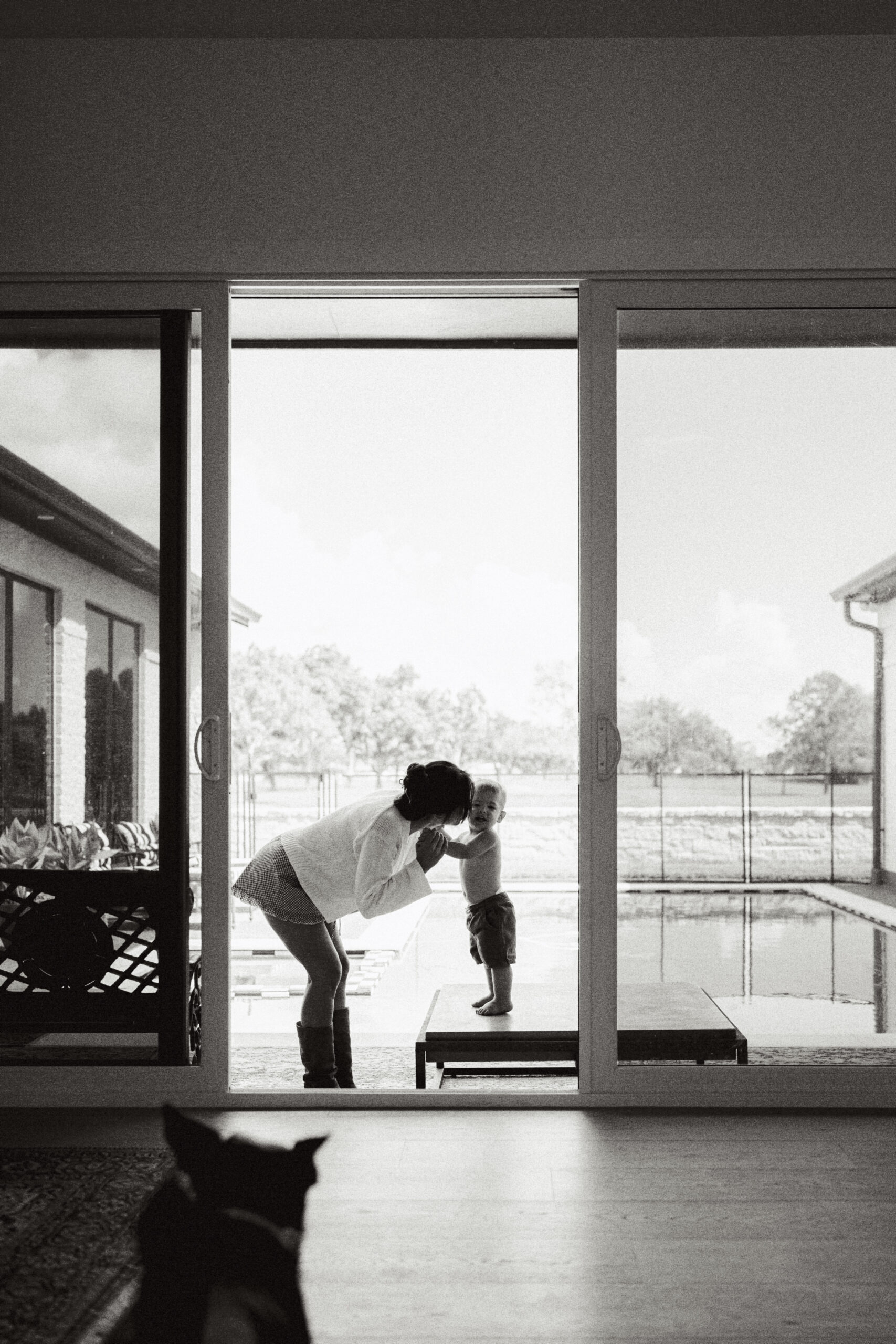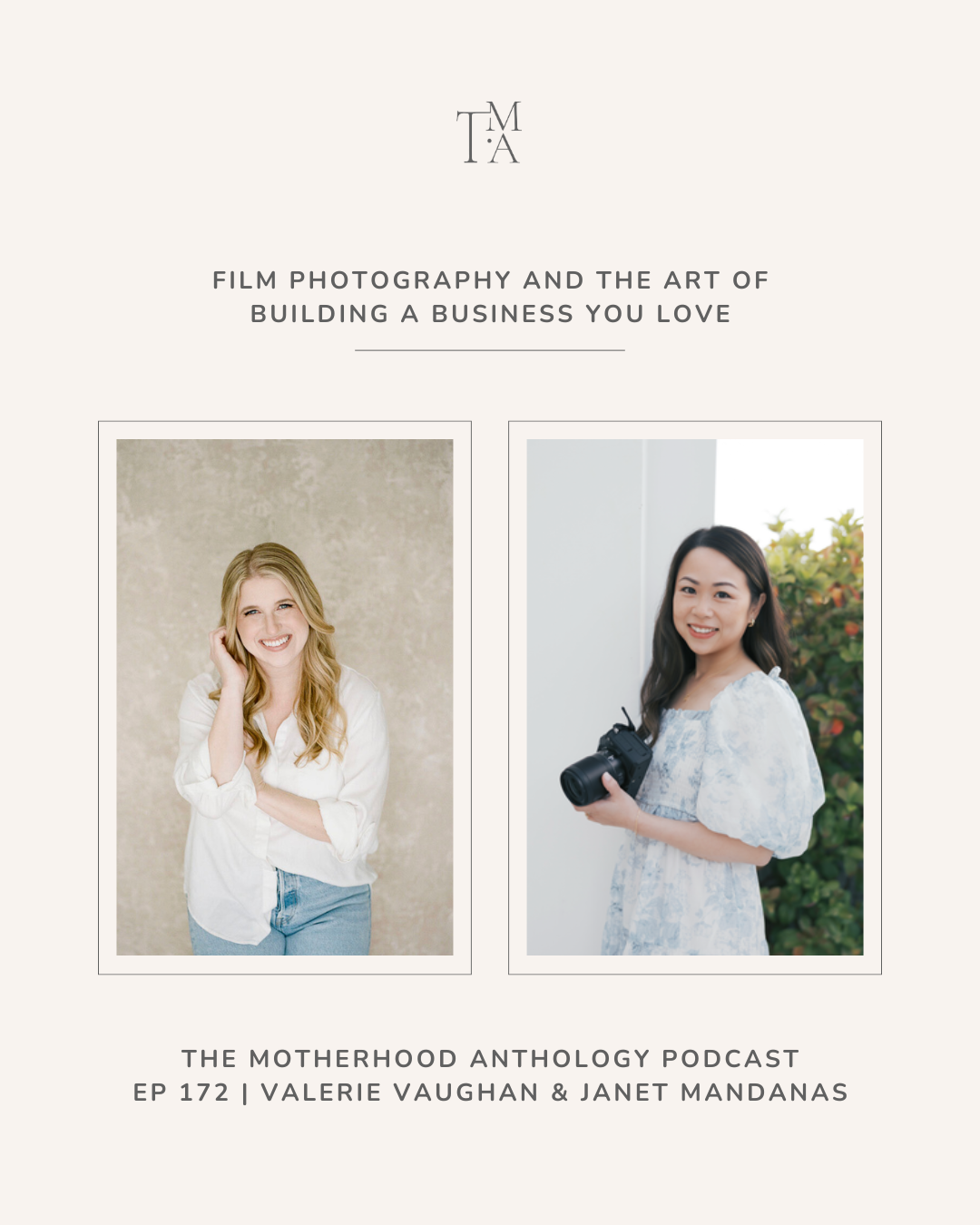


Film photography is a creative practice that changes how you see, how you shoot, and how you connect with the people in front of your lens. Episode 172 of The Motherhood Anthology Podcast brings together two photographers at very different points in their journeys: TMA mentor Valerie Vaughan, who has been shooting for over 13 years and works primarily on film, and first-year photographer Janet Mandanas, who is starting her business from the ground up in upstate New York.
What unfolds is the kind of conversation that makes TMA what it is: just two photographers asking each other the questions that matter.
Why Film Photography Changes the Way You Work
Valerie came to film gradually, and then all at once. She grew up around it. Her mother was a photographer and a 4-H instructor who taught kids to shoot and develop film under the red glow of a darkroom lamp. Film was woven into Valerie’s childhood, then her years as a high school art teacher, and eventually into her photography business. But it was during the stillness of 2020 that film became something she couldn’t put down. She spent that year rolling through 52 rolls, documenting her family at home. By 2023, she was shooting sessions at nearly 90 percent film.
When Kim asks whether she shoots film for the look or for the way it makes her shoot, Valerie doesn’t hesitate: “I shoot film for the way it makes me feel and the way it makes my client feel when they see the image.” She describes carrying both cameras on a holdfast strap during sessions, a film camera on her right hip and a digital backup on her left, and noticing that her brain shifts depending on which one she picks up. Film slows her down. It makes her look. Digital helps her grab what she might otherwise miss. She sees them as different tools, like different brushes for different moments, not competitors.
For photographers on the fence, her advice is disarmingly simple. Get a 35mm camera. Load it. Take pictures of your kids at home. Send the roll to a lab. “I don’t know anyone that has gotten their first roll of film back and not found at least one reason to shoot a second roll.”
Building a Business in Your First Year
Janet Mandanas’ path to photography is one worth sitting with. She finished medical school, entered a pediatric residency, and found herself crying every evening, knowing the work wasn’t hers to carry. She left, explored interior design, and eventually landed in photography, where something finally clicked. “I started doing photography and I’m like, oh my god, this is everything. I feel like it fits me.”
She started model calls in June 2025 with a newborn at home and is currently converting her living room and dining room into a home studio. She came to TMA early, attended the retreat in February, and showed up ready to learn. That eagerness made an impression on the entire team. Kim puts it plainly in the episode: investing in education from the very first year gets you so much further than trying to figure it out alone.
Much of the conversation centers on the practical realities of running a business when your life is full. Valerie, who has three children and a husband who travels frequently, shares how she manages her calendar by color-coding her husband’s travel schedule, protecting mornings for studio sessions while kids are in school, and having honest conversations with clients about her availability. “Your needs are just as important, and protecting your happiness in this career is also so important.” She doesn’t keep her constraints a secret. She brings clients into the reality of her schedule, and they’re always understanding. The boundary-setting, she says, is really just about the calendar.
What Happens When You Find Your People
One of the quieter threads running through this episode is what it means to find a community that genuinely has your back. Valerie has been a TMA member for eight years. She talks about being able to ignore the noise of fast-moving trends and new technology because TMA filters it and brings it to her in a way that doesn’t feel overwhelming. Janet, brand new to the industry, puts it differently: “I know that I can always trust what the mentors from TMA are providing me.” In a world of endless education and competing voices, trust is not a small thing.
Both of them circle back to the same word: community. Valerie describes her fellow TMA members as co-workers scattered across the country, people doing the same work, asking the same questions, willing to give you honest feedback at any hour. Janet talks about the Facebook group, the archived content, and the retreat, where she met Valerie for the first time on her birthday, complete with a surprise cake that brought her to tears. She had a six-month-old at home. It was a lot, in the best possible way.
TMA is different from other spaces: there’s no one right way here. Whether a photographer wants to pursue in-person sales, all-inclusive pricing, or something else entirely, there’s a mentor and a resource for that path. The goal isn’t to hand every member the same blueprint. It’s to ask what they actually want and help them build toward it.
Listen and Learn More
Whether you’re in your first year or your tenth, there’s something in this episode that will feel like your chapter. You can hear the full conversation in Episode 171 of The Motherhood Anthology podcast, available wherever you listen.
Find Valerie at valeriecallan.com, or on Instagram at @valeriecallanphotography.
Find Janet at jmphotography.life, or on Instagram at @janetmandanasphoto.
Ready to build a business that reflects your own creative voice? The Motherhood Anthology membership gives you access to expert mentors, live coaching, monthly marketing suites, and a private community of photographers who are invested in your success. Learn more and join at themotherhoodanthology.com.

The Motherhood Anthology is a community and educational resource for photographers who want a profitable and sustainable business they love. With 15+ expert mentors and 7+ years of proven content, TMA helps portrait photographers build confident, thriving businesses through monthly education, mentorship, and a supportive community of 700+ members.