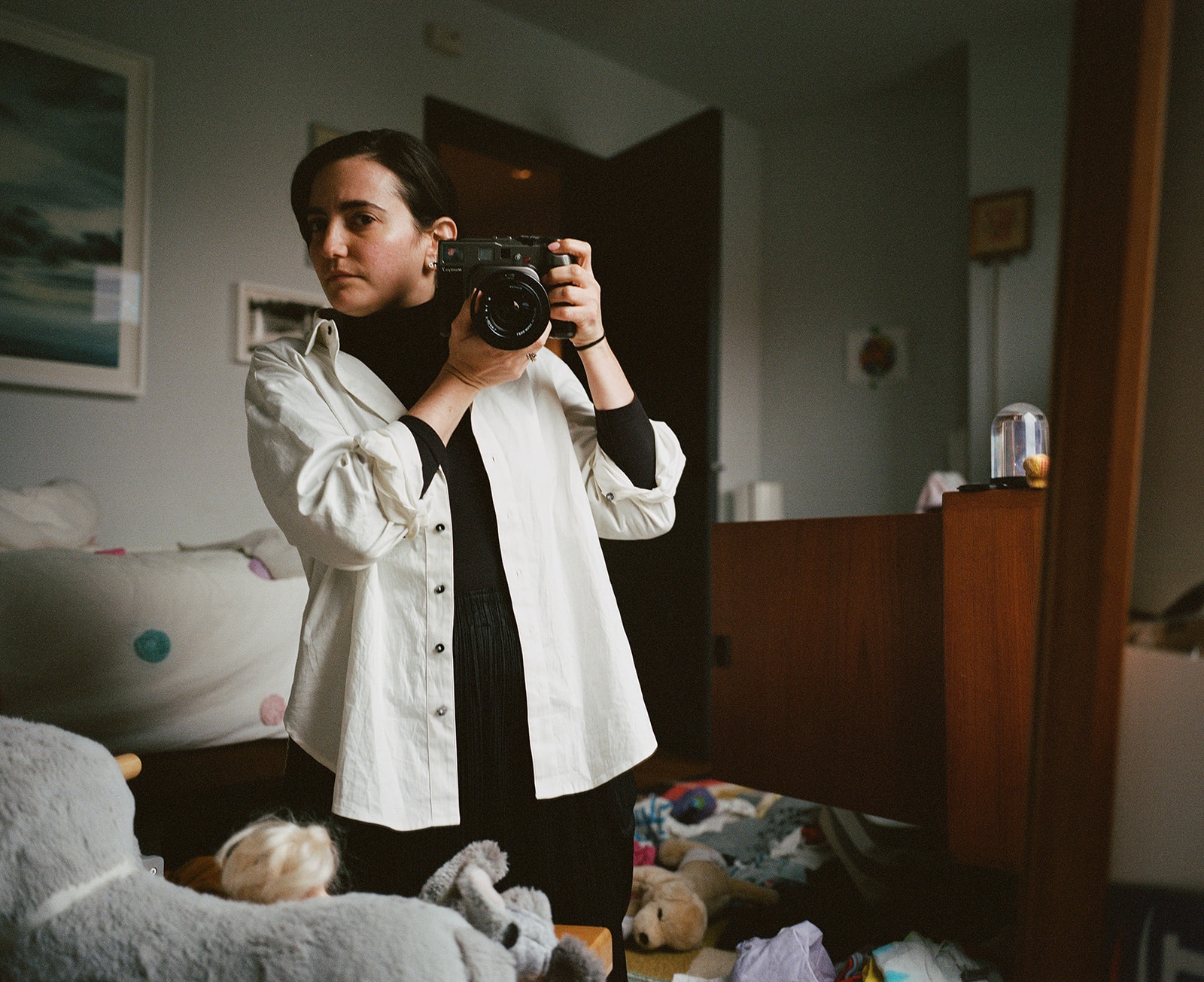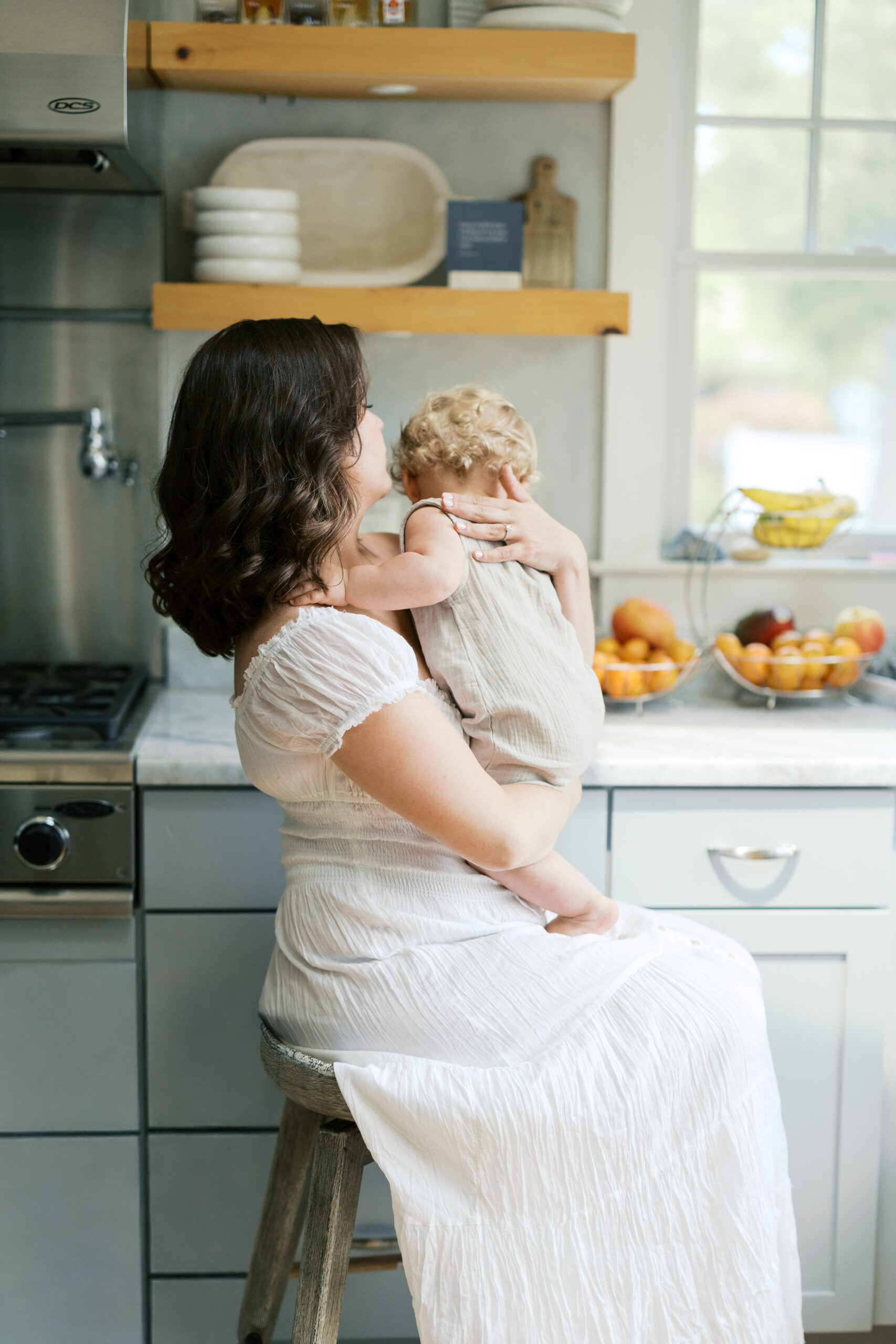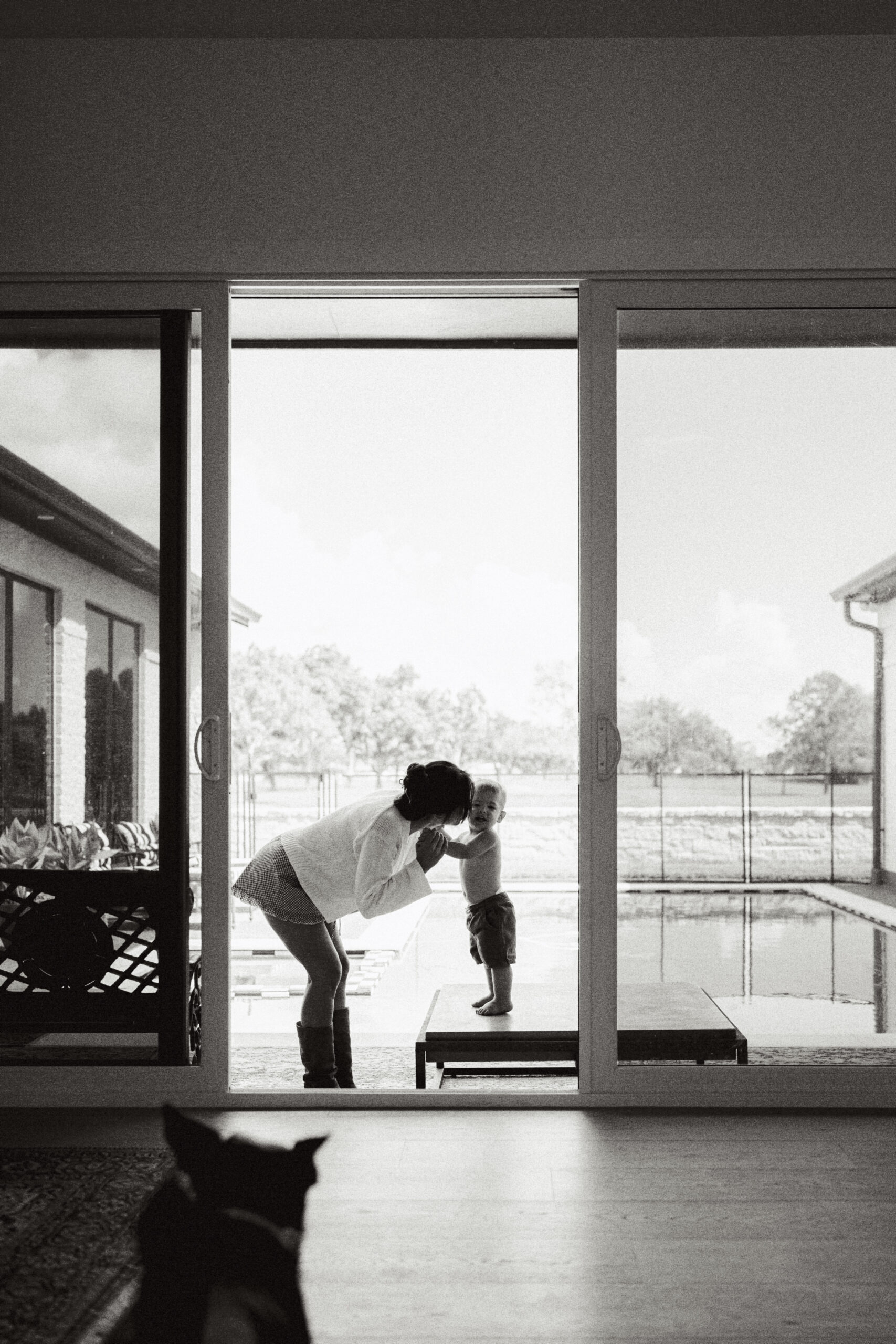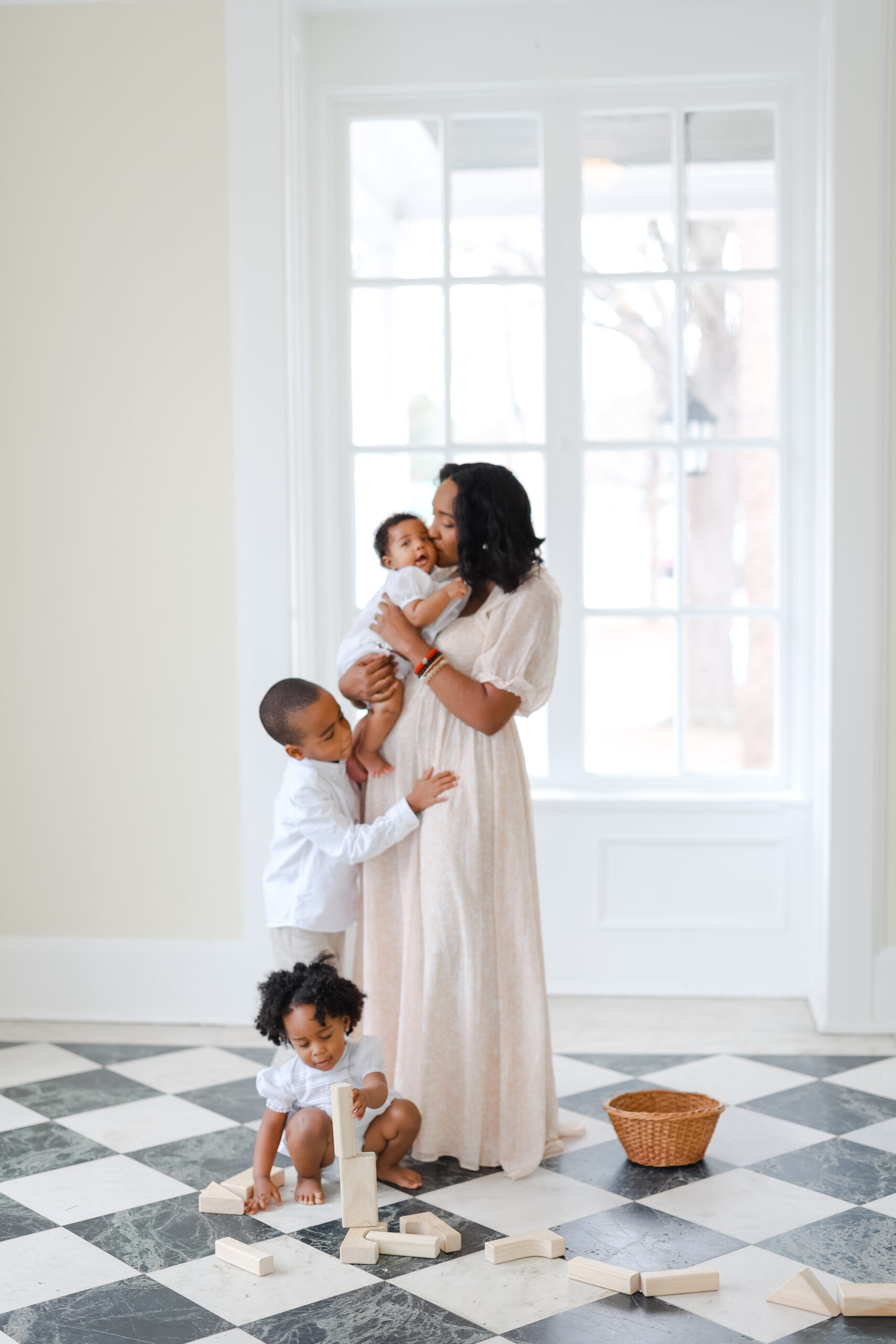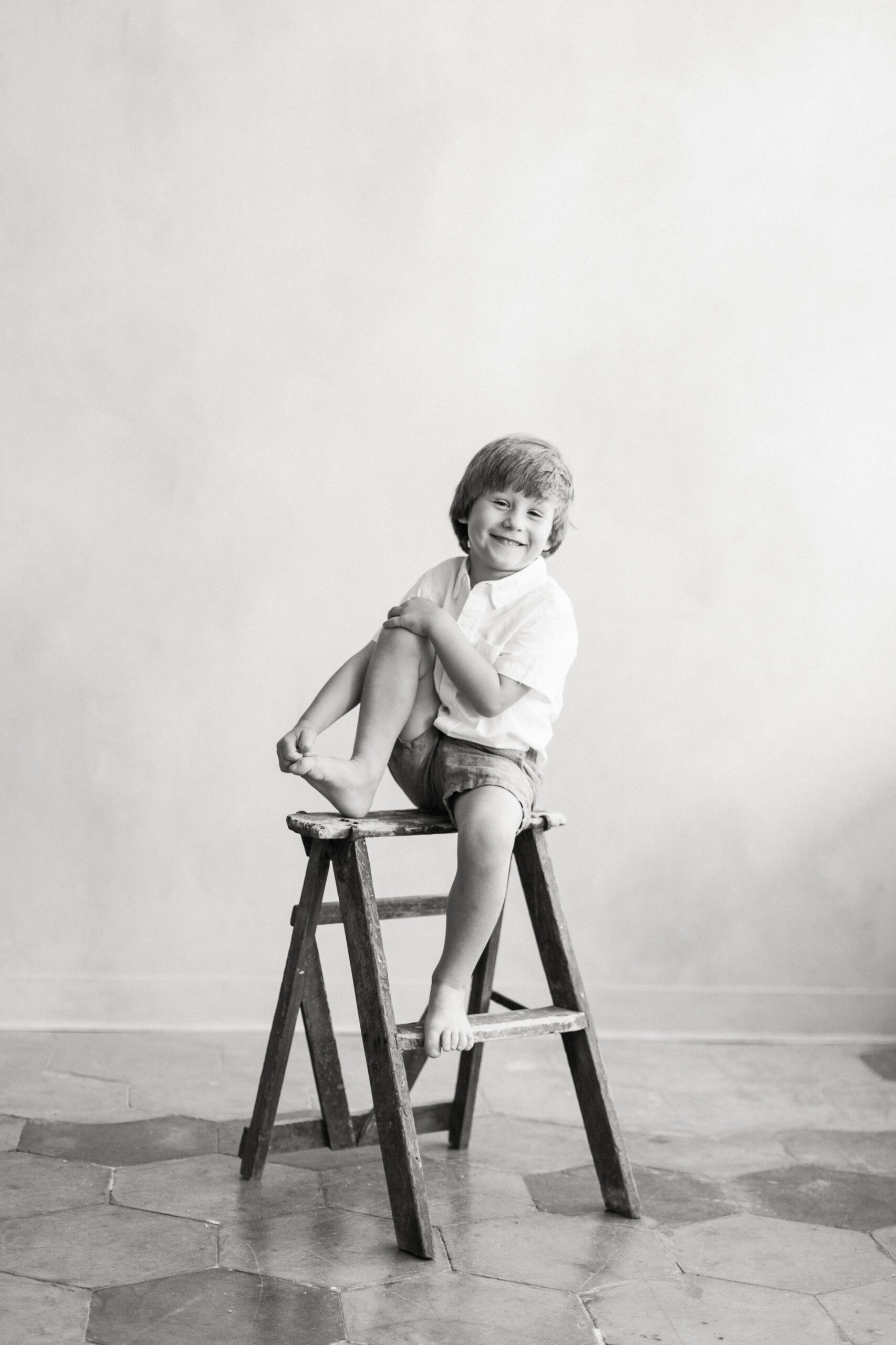


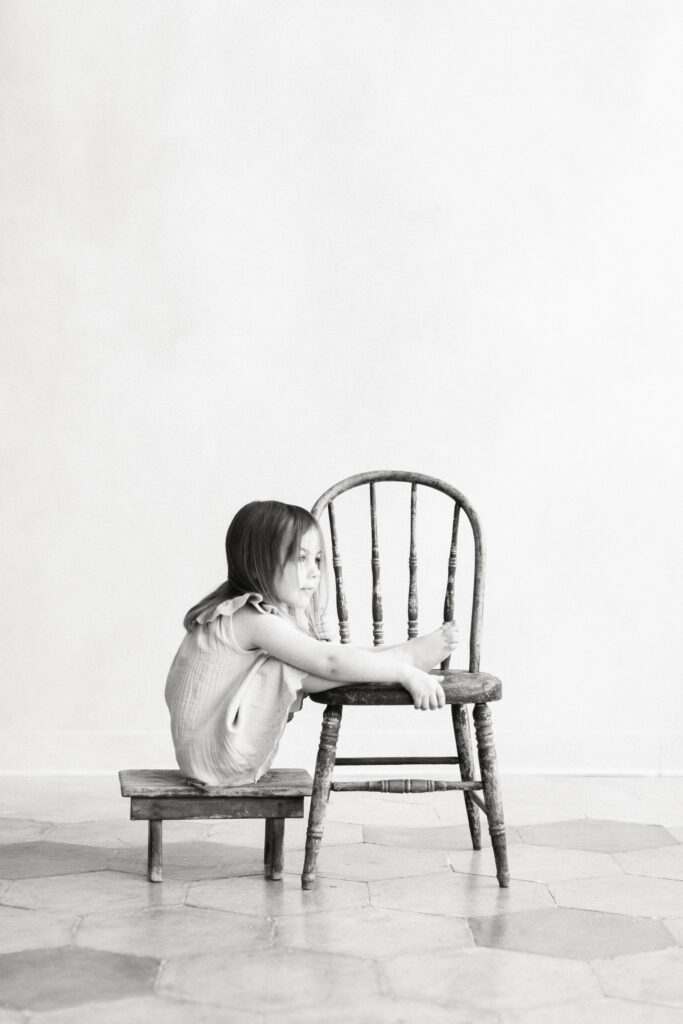
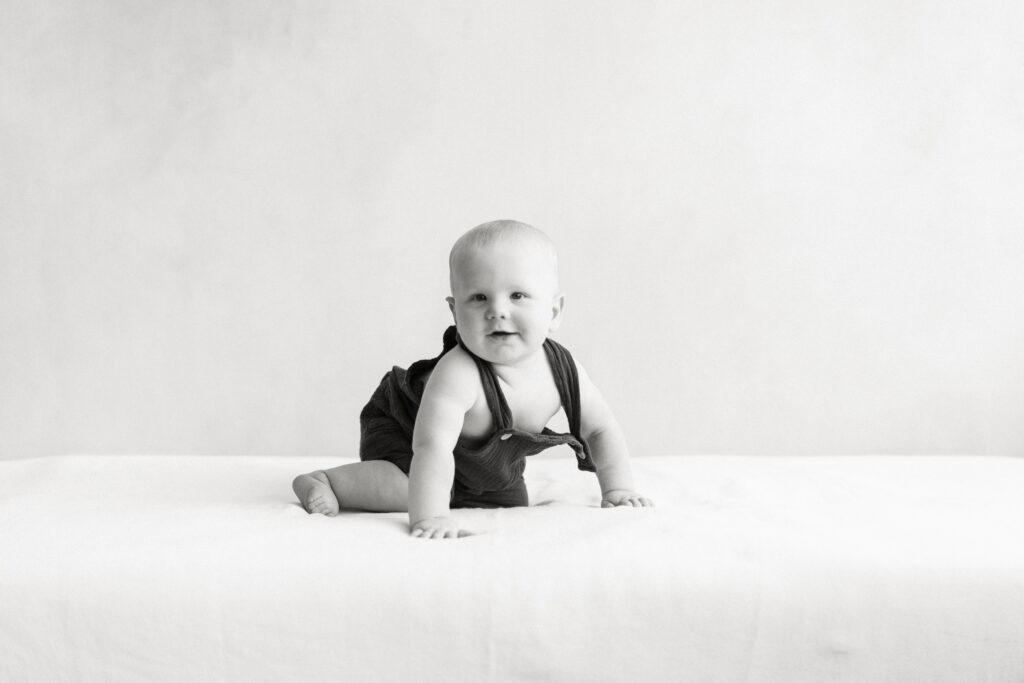
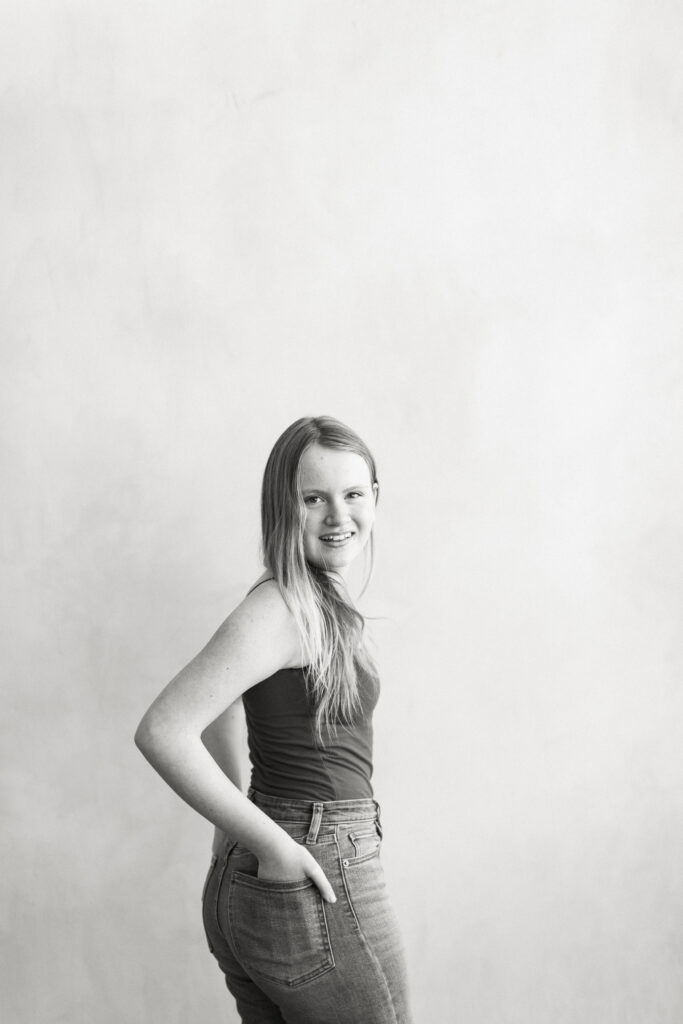
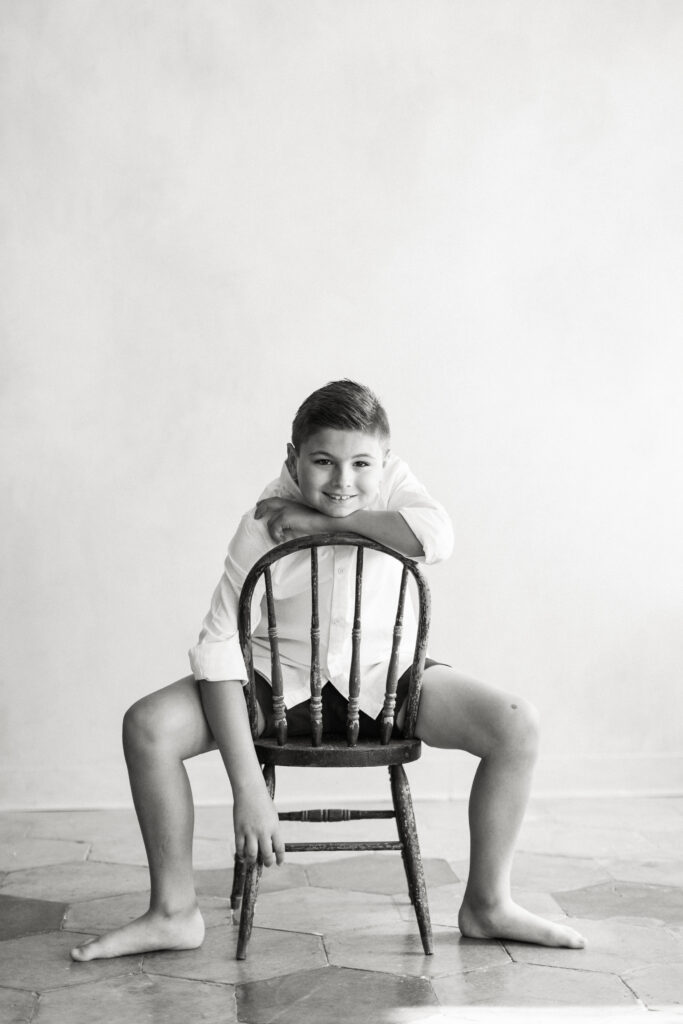
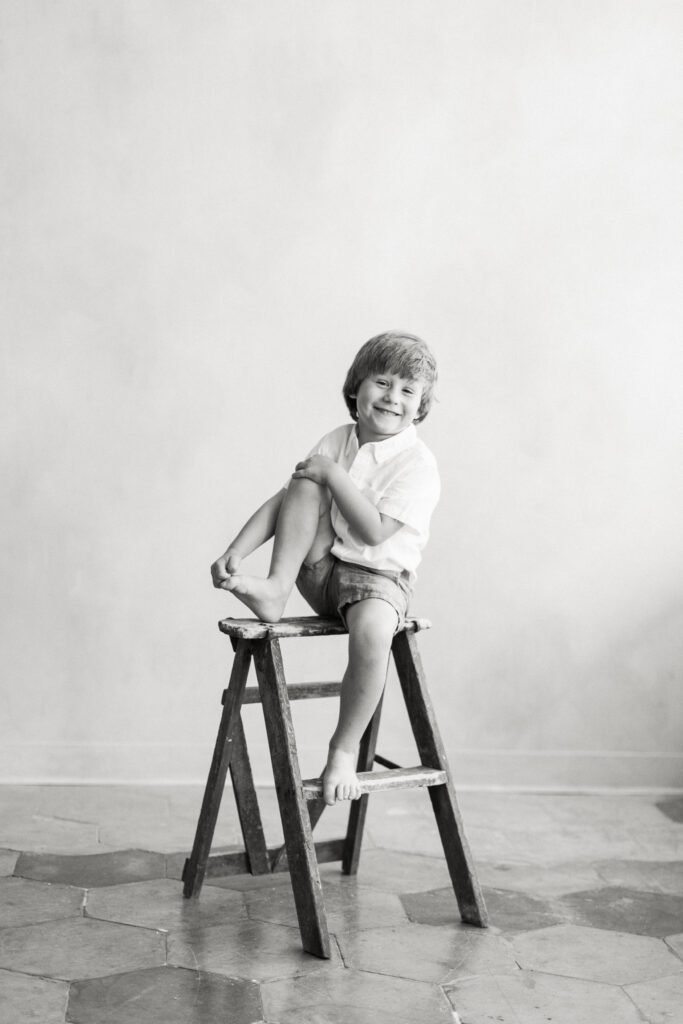
Some of the most treasured photographs are not the ones where everyone is smiling at the camera. They are the in-between moments, the silly ones, the quiet ones that capture exactly who a child was at a single point in time. That is the heart of the childhood narrative, a black and white portrait project created by TMA mentor Laura Gattis, and it is the inspiration behind this month’s featured education inside The Motherhood Anthology.
In a recent podcast conversation, Laura shared how this signature session came to life, why it resonates so deeply with clients, and what photographers can learn from her approach to capturing connection. If you have ever wanted to create a session that feels less like a transaction and more like an art project, this one is for you.
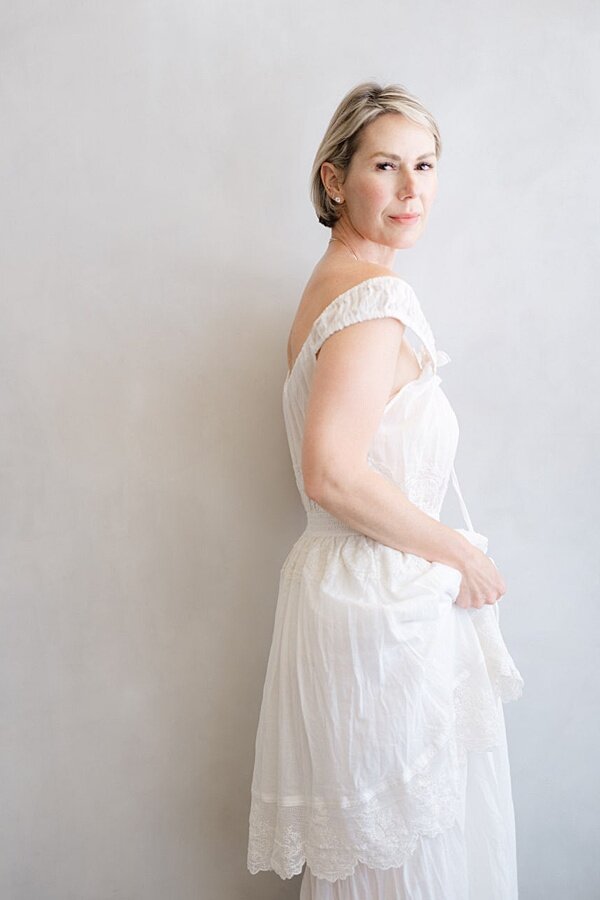
The Strategy Behind the Childhood Narrative
The childhood narrative did not start as a polished offering. It started as a collection of accidental favorites. Laura, a Tampa-based photographer with 13 years of experience, kept noticing that the images she loved most were the ones that happened when the pressure was off. A child doing a handstand against the wall when they were supposed to be getting ready for bed. A thumb in the mouth. A barreled-over laugh. These moments unfolded naturally in the middle of regular sessions, and she found herself drawn to them again and again.
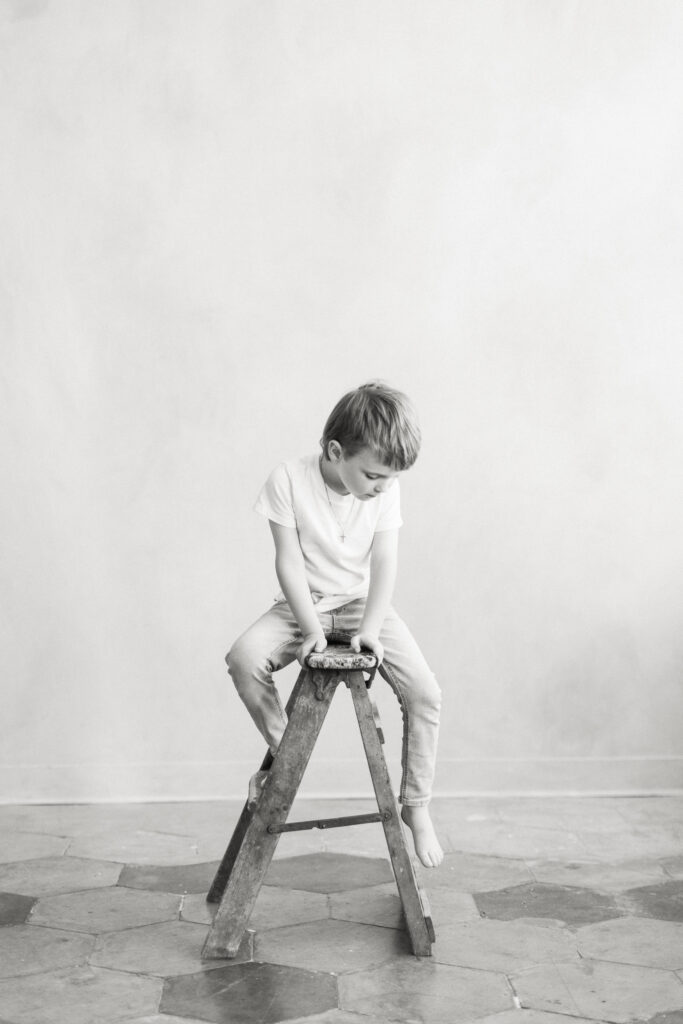
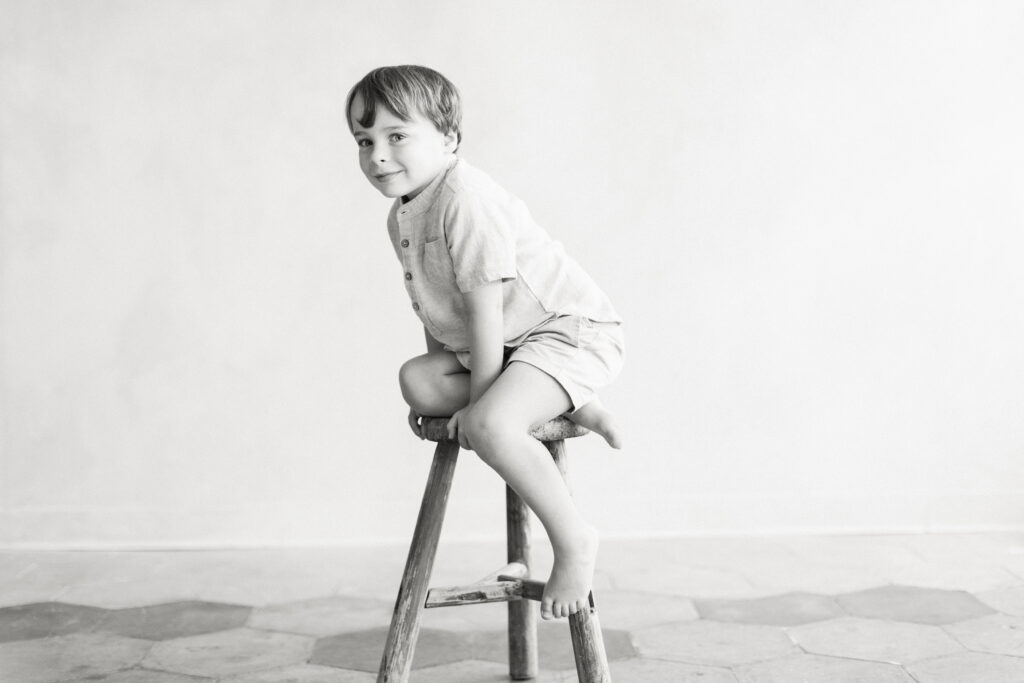
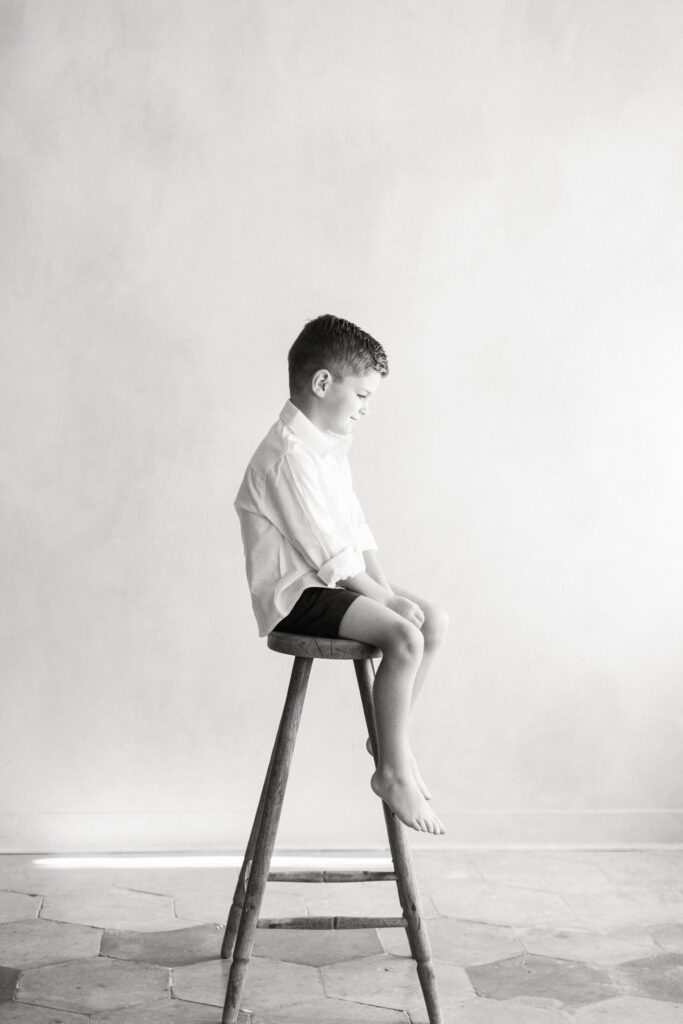
After a couple of years of mulling over the idea, she decided to build something around those images. The result is a black and white portrait project that captures the quirkiness and silliness of childhood, something she describes as going a little deeper than a personality portrait. The sessions are not heavily posed but are gently led, and they live in a moody black and white edit that strips everything down to pure emotion.
What makes this offering work as a business model is its intentional structure. Laura runs the childhood narrative once a year, usually in April and May, positioning it as an event rather than an everyday service. While other photographers are booking motherhood sessions during that window, she is offering something different and seasonal, which builds anticipation and keeps the project feeling special. The sessions themselves are short, often only about five minutes of actual shooting per child, because a young child does not want to be there long and does not need to be. The real work happens in the connection, the preparation, and the willingness to follow the child’s lead rather than force a result.
The Approach: Connection Over Perfection
The biggest lesson in Laura’s method is a shift in mindset that applies far beyond this single session. Children mimic and reflect the energy you bring to them. When a photographer comes in trying to coax a big cheesy smile, the child performs the version of themselves they think is expected. Laura takes the opposite approach. She prepares parents to gently step aside and prepares the child only to have a good time. Instead of correcting behavior like thumb-sucking or fidgeting, she leans into it, because those are the details that make an image feel like a memory rather than a photograph.
This is also where her love of black and white comes in. Laura believes black and white removes the distraction of color and lets the viewer feel more connection and emotion. As the conversation captured it, color can feel like a photograph while black and white feels like a memory. That timeless quality is part of why these images work so beautifully for framing and for clients who want artwork that fits naturally into a thoughtfully designed home.
Laura’s generosity is another defining feature. She promises three black and white images but consistently delivers more, giving clients the full set of edited images rather than holding work back to upsell. Siblings became part of the offering organically, after brothers and sisters kept tumbling into frame during single-child sessions and creating moments too precious to deny. Her studio props, the stools, benches, ladders, and small treasures she collects from Etsy and flea markets, all support the simple, editorial feeling she is known for. Much of her inspiration comes from outside photography entirely, from fashion, magazines, and interior design, a reminder that creative ruts are often best solved by looking beyond your own industry.

Why This Belongs Inside a Photography Community
Laura’s story is a perfect example of what makes mentorship inside a photography membership so valuable. She never set out to become an educator. She was simply running a thriving business and creating work she loved. It took encouragement from the community to recognize that her approach was special enough to teach. That kind of insight, the realization that your own instinctive way of working has real value, is exactly what happens when photographers surround themselves with people who see their potential clearly.
This month, TMA members get a behind-the-scenes look at Laura’s process through a video of her shooting, direction on what she is doing and why, a styling board, and a Q&A call with Laura inside the community. The full marketing suite for the month, including the newsletter, social templates, and a complete marketing plan, is built entirely around helping members launch their own childhood event inspired by the narrative. It is a real example of how education and ready-to-use tools come together to help photographers grow.
Bringing the Childhood Narrative to Your Own Business
You do not need to copy Laura’s exact session to take something meaningful from her approach. Start by paying attention to the images you keep coming back to in your own galleries. Those favorites often point toward a signature style waiting to be developed. Consider offering a seasonal event rather than another everyday service, lean into connection over perfection, and remember that the imperfect moments are usually the ones families treasure most.
If the childhood narrative is something that inspires you, head to Laura Gaddis on Instagram to see the work for yourself, and listen to the full podcast episode for the complete conversation. And if you are ready to learn directly from mentors like Laura while getting the templates and community support to put it all into action, we would love to welcome you inside The Motherhood Anthology. Enrollment opens quarterly, so get on the waitlist at themotherhoodanthology.com to be the first to know when the doors open again.



The Motherhood Anthology is a community and educational resource for photographers who want a profitable and sustainable business they love. With 15+ expert mentors and 7+ years of proven content, TMA helps portrait photographers build confident, thriving businesses through monthly education, mentorship, and a supportive community of 700+ members.