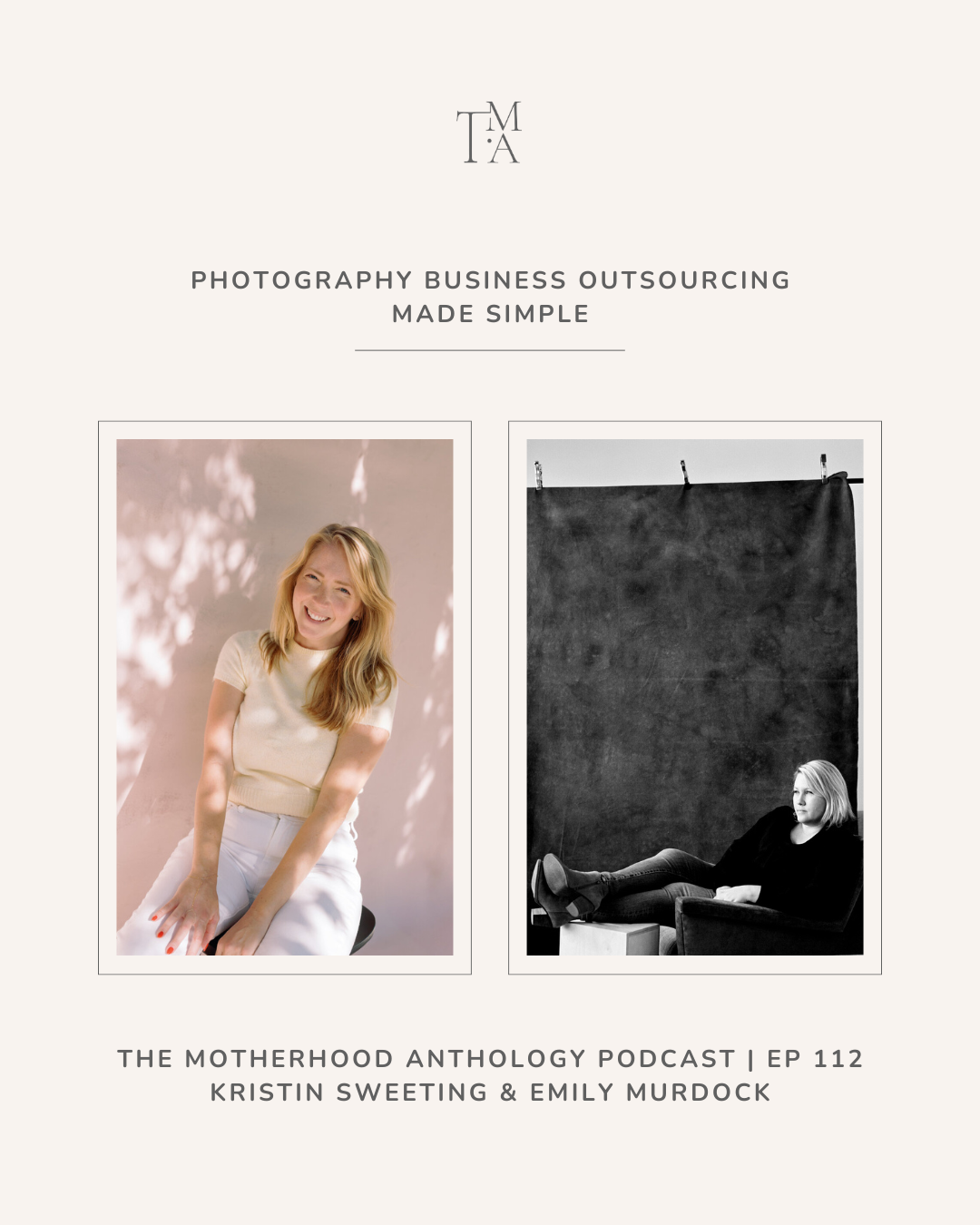


After 17 years in business, what happens when your entire client base grows up and moves on at once? That is exactly where Dallas photographer Emily Murdock found herself in this second half of a two part hot seat coaching session with TMA mentor Kristin Sweeting. The conversation covers photography business outsourcing, collection based pricing, and the mindset work that comes with starting over in a business you have run for nearly two decades.
The Case for Photography Business Outsourcing
Emily came into the hot seat with a practical question: at what point should a photographer start outsourcing tasks like editing and admin work? Kristin’s answer centered on a simple exercise adapted from the book The Big Leap. Sort your tasks into columns, the things you hate doing, the things you are fine at but do not love, the things that bring you joy, and the handful of things that are truly your zone of genius, the reason clients hire you in the first place.
Kristin’s own example was folding laundry, a task she outsources so she can spend that time booking clients or building her business instead. The same logic applies to photography. If editing or admin work is draining time you could spend shooting, coaching clients, or making sales, it may be time to hand it off, even if that means starting with a small piece of the work rather than a full time hire. As Kristin put it, outsourcing does not mean you have to have a 40 hour a week, full time employee. It can start small and grow as the business allows.
For Emily, the immediate opportunity was curation. With 17 years of images to sort through, she realized she needed another set of eyes to pull her best work rather than trying to edit down her own archive alone. Kristin suggested looking for someone in the TMA community who offers portfolio reviews, a resource that already existed inside the group she had just joined.
Rebuilding Pricing and Marketing After 17 Years
Emily’s pricing journey is its own case study. She spent 13 years treating photography as a side hobby before raising her prices in 2019, and then nearly quadrupling them again in 2022 when she moved to a collection based system. She knew she would lose some clients in the process, but she did not expect to lose nearly all of them. What she gained instead was a smaller group of clients who deeply valued her work, with 92 percent of bookings last year choosing her highest collection.
That kind of buying behavior is usually a signal it is time to raise prices again, and Kristin offered a few concrete ways to do it without losing momentum. One option is building a bigger anchor package for clients who are already maxing out the top collection, whether that means a milestone package, a grandparent album, or an exclusive offer pitched only to existing clients. Another is prebooking sessions ahead of a price increase, which gives a photographer more confidence heading into a new season because there is already revenue on the books.
The conversation also turned to marketing after decades of relying on word of mouth. Emily’s referral network aged out along with her clients, and she is now facing the unfamiliar task of building an audience from scratch, including her first real investment in a website and SEO. Kristin pointed out that this shift is a natural cycle, not a sign that anything went wrong, since clients grow up and move on and referral circles eventually change. She encouraged Emily to lean into what already makes her stand out, including the trust that comes from being an experienced mother photographing families at every stage.
Why This Kind of Coaching Only Happens in Community
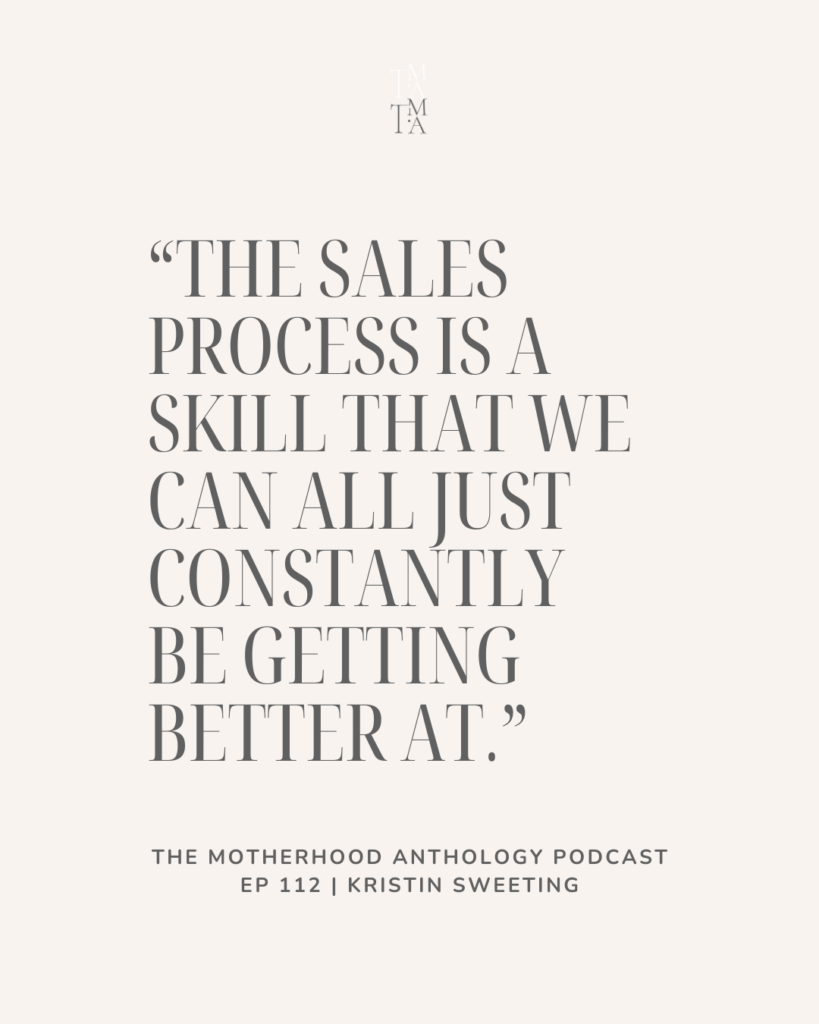
What made this hot seat especially valuable was the range of topics it touched, pricing psychology, sales calls, discount strategy, and the emotional weight of getting ghosted after a proposal. Kristin’s advice throughout was consistent. When a client does not book, it is rarely just about the price. More often it is a missed objection or a value the client never fully connected with, which means the sales process itself is where photographers have the most room to grow.
Nuanced, real time coaching is exactly what TMA’s monthly calls provide. Members do not just get generic advice, they get to watch a mentor work through a real business, in real time, with their specific numbers and their specific fears on the table. Community makes it possible to learn from someone else’s 17 years of experience instead of learning every lesson the slow way.
Listen and Learn More
This episode is worth a listen if you are rebuilding any part of your business, whether that is your pricing, your marketing, or your own confidence. If you missed part one, go back and hear Kristin’s coaching conversation with Anna Dobrovolskaia first.
Find Kristin at kristinsweeting.com or dangerschool.com or on Instagram at @kristinsweeting.
Find Emily at emilymurdock.com or on Instagram at @emilymurdockphotography.
Ready to build a business that reflects your own creative voice? The Motherhood Anthology membership gives you access to expert mentors, live coaching, monthly marketing suites, and a private community of photographers who are invested in your success. Learn more and join at themotherhoodanthology.com.

The Motherhood Anthology is a community and educational resource for photographers who want a profitable and sustainable business they love. With 15+ expert mentors and 7+ years of proven content, TMA helps portrait photographers build confident, thriving businesses through monthly education, mentorship, and a supportive community of 700+ members.