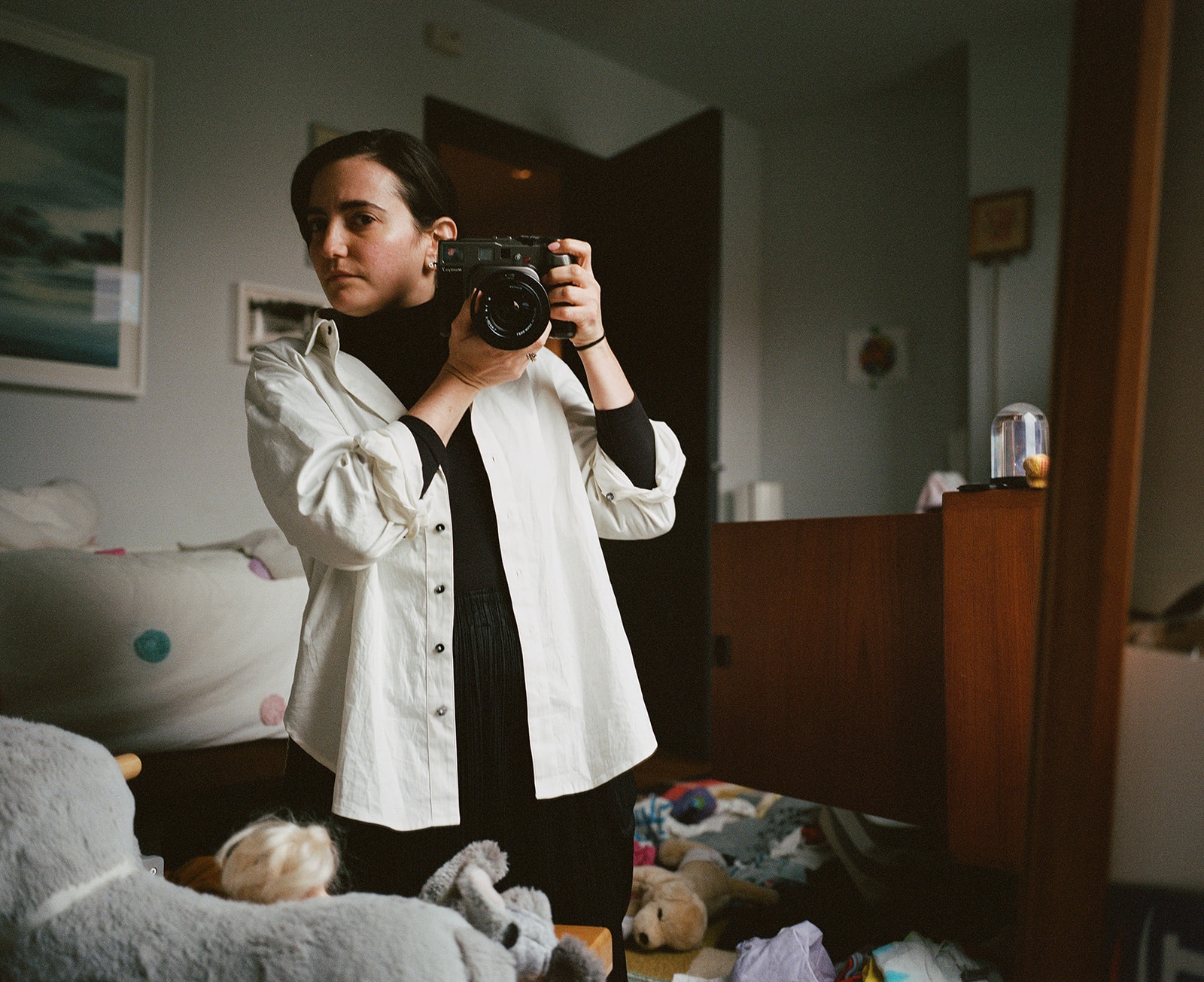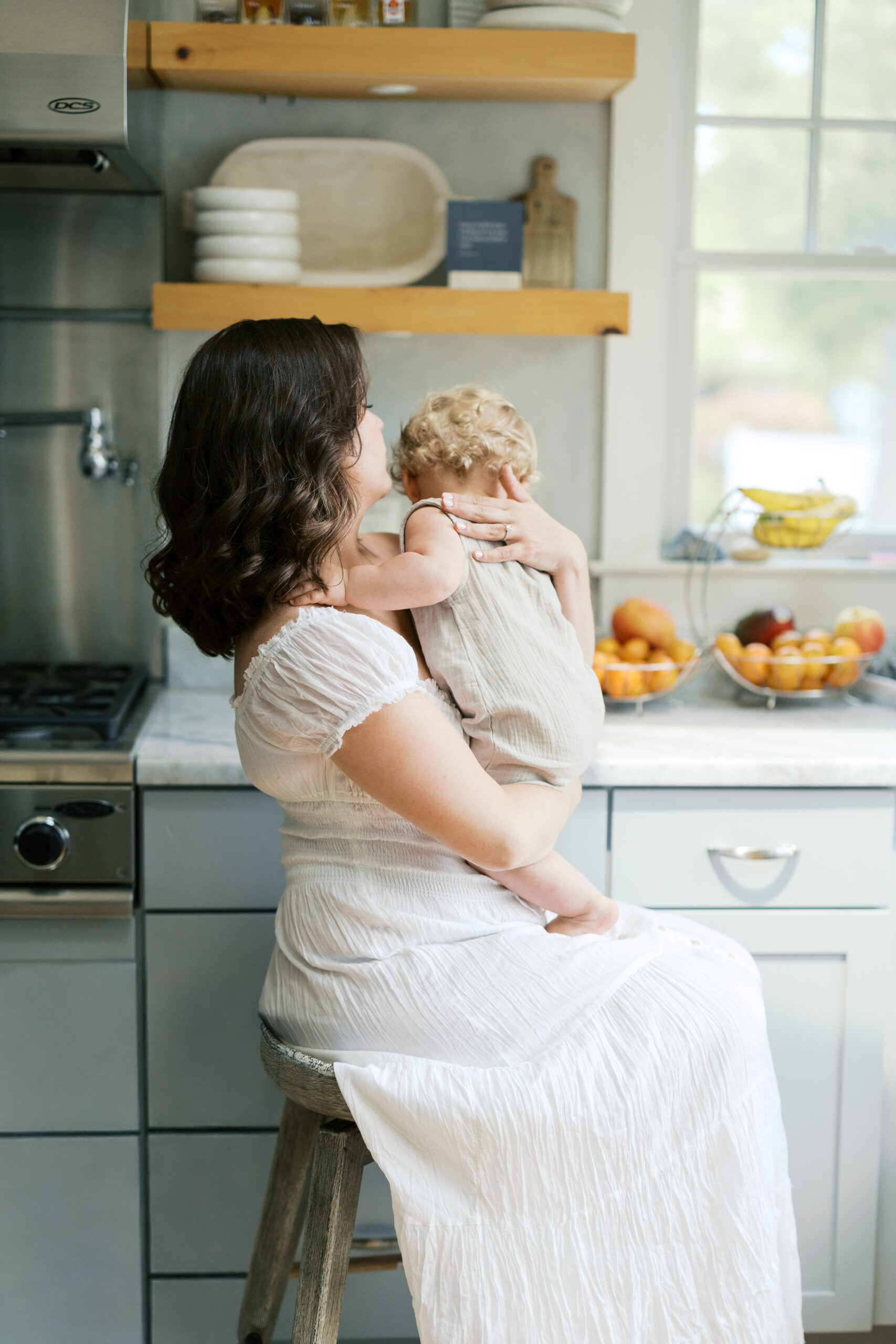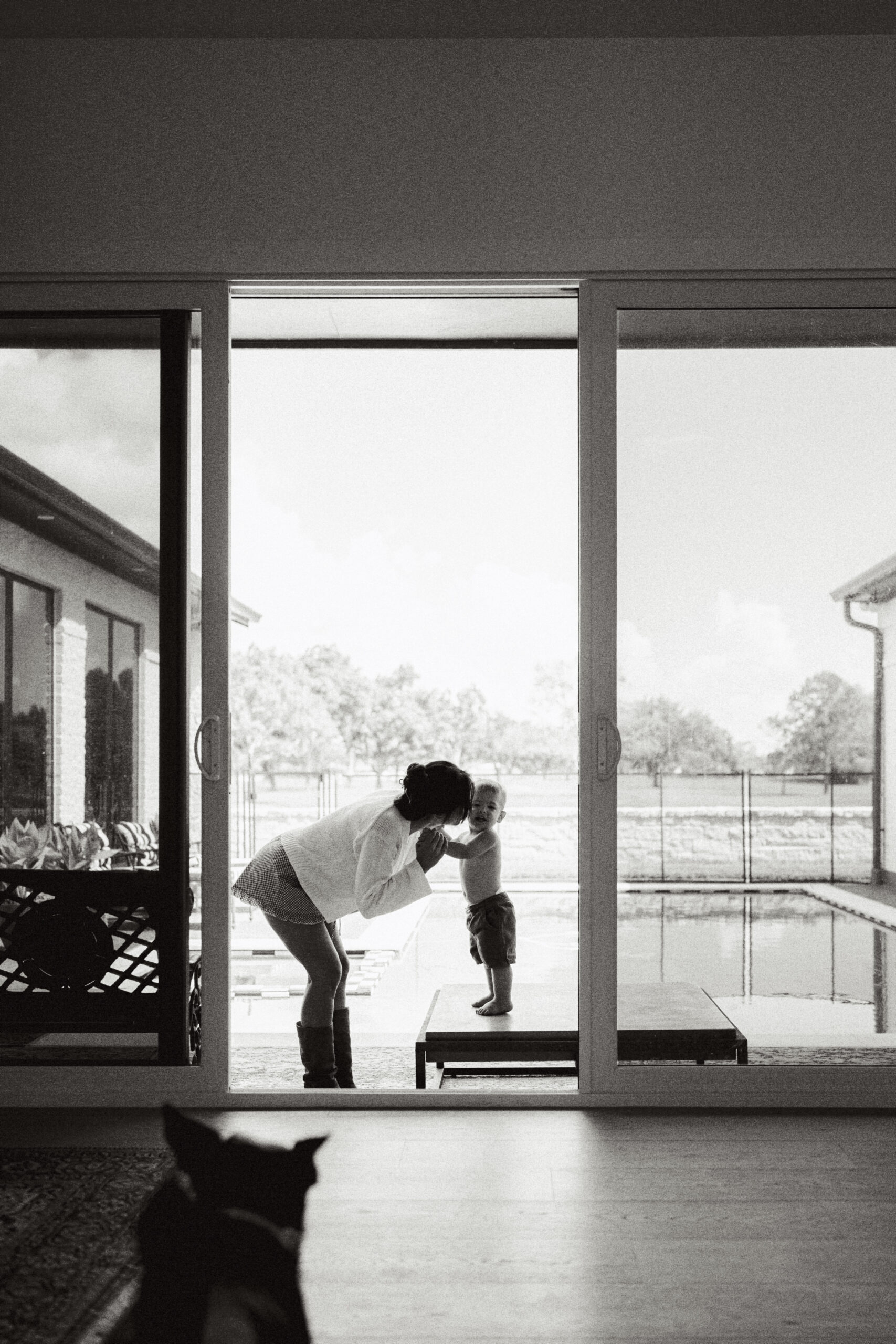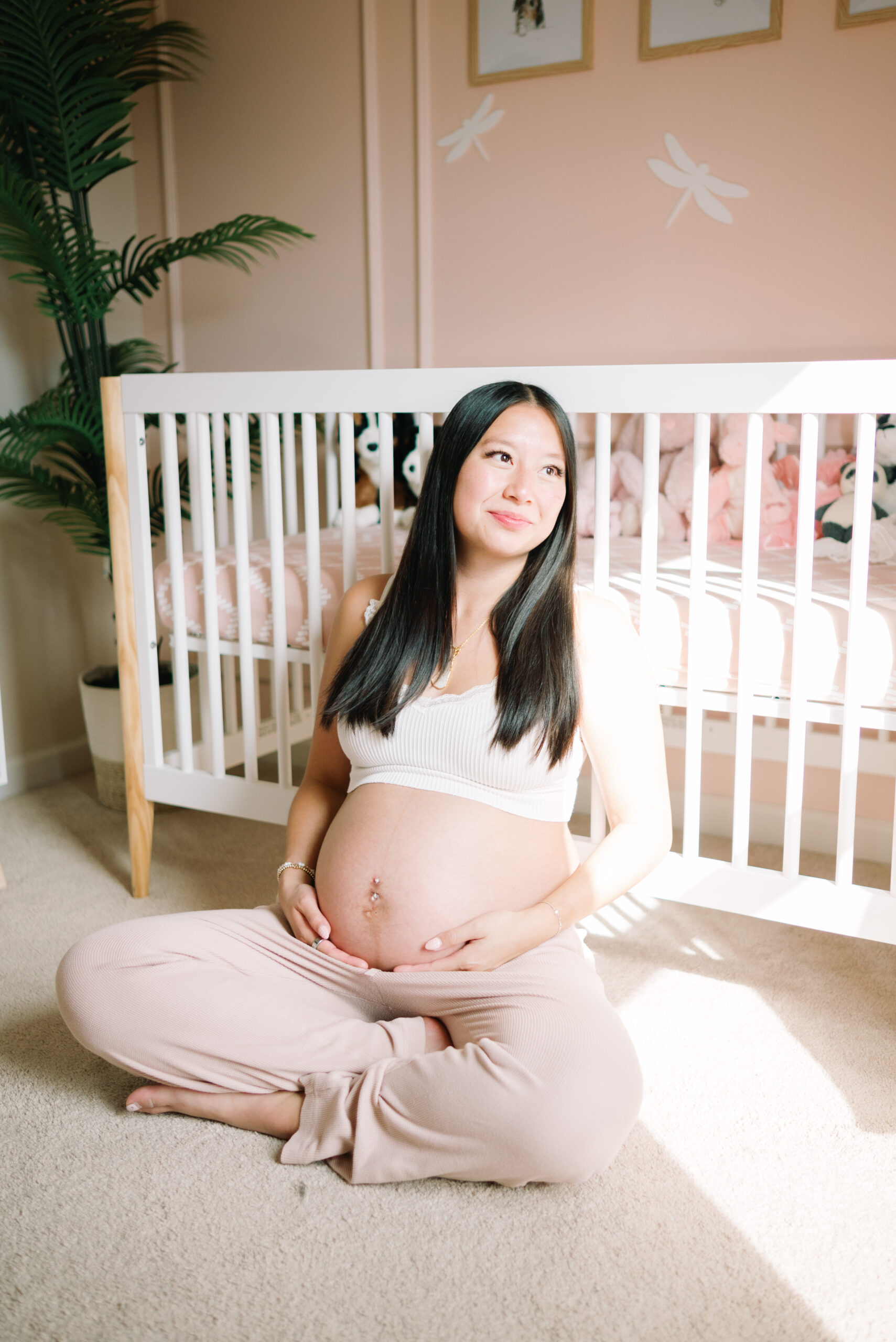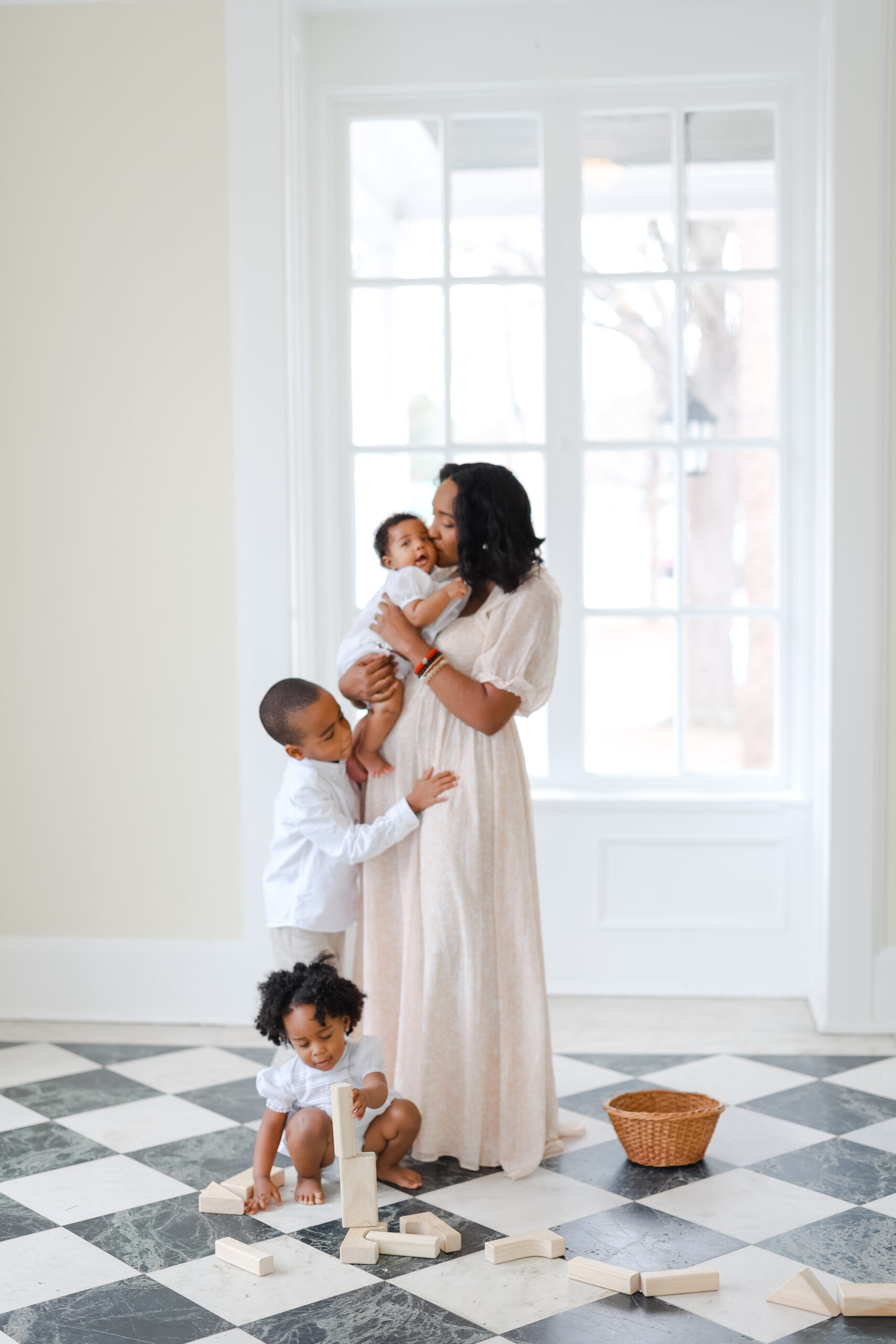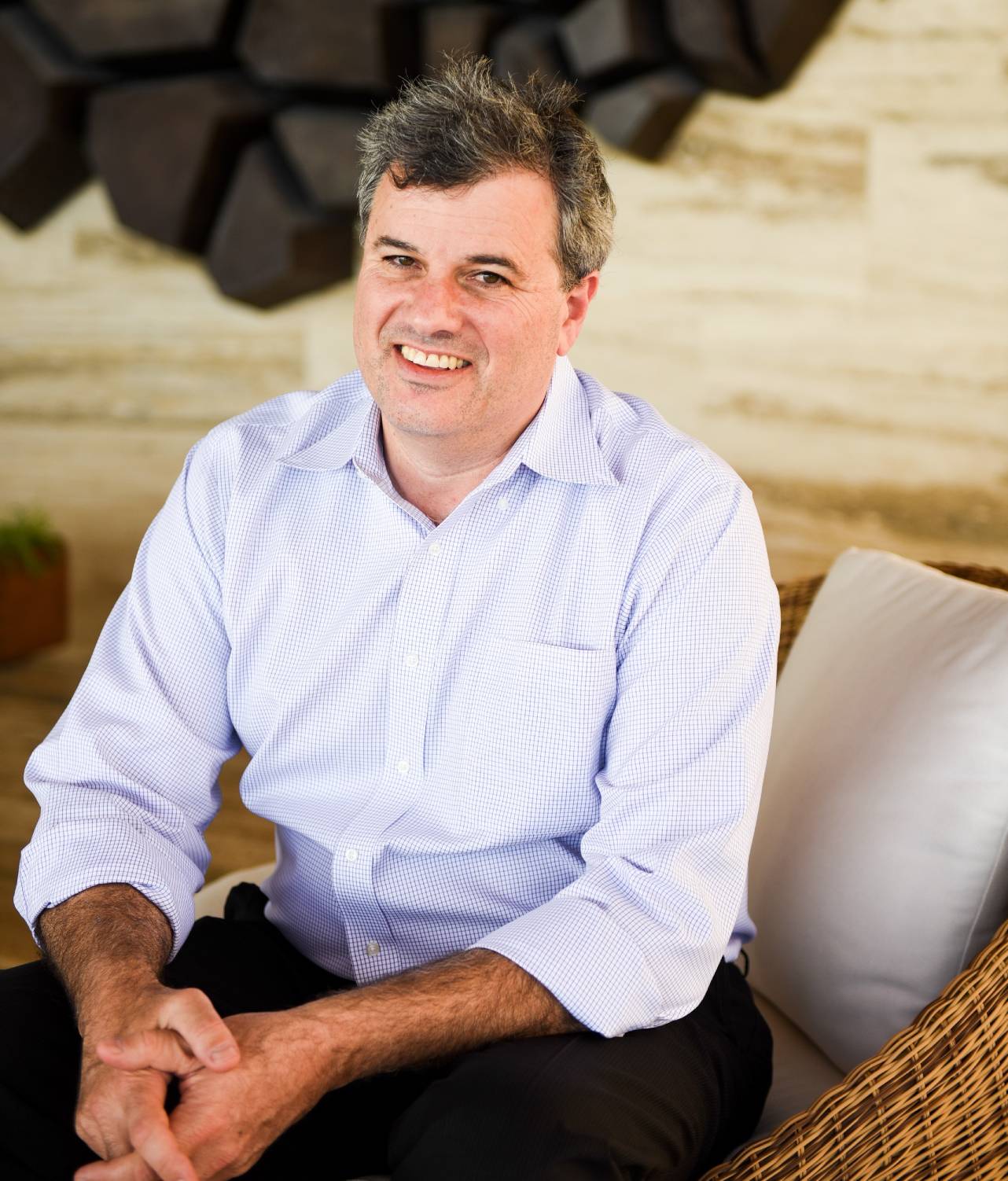


Sean Low has spent decades helping creative business owners rethink what they charge and why, and in this episode, Shannon Griffin sits down with him to unpack one of the most misunderstood topics in the industry: photography pricing. Sean’s path to becoming one of the most trusted voices in creative business consulting did not start behind a camera. He came to this work through law, investment banking, and years spent running the business side of a high profile event design career, and that outside perspective is exactly what makes his take on photography pricing so useful for the photographers listening.
Their conversation moves quickly past the usual pricing tips and into something deeper, the idea that what a client really values is not a print or a gallery wall, but the experience of being seen. That distinction changes everything about how a photographer should talk about, structure, and defend their prices.
Why the Value Was Never in the Product
Sean’s central argument is that photographers get paid twice, and for two very different things. The first payment covers what he calls the creative process, the session itself, the connection, the willingness to help a client feel safe enough to be vulnerable in front of a camera. The second payment covers what he calls the manifestation process, the wall art, the album, the physical or digital deliverable a client walks away with.
Once a photograph exists, Sean pointed out, it is technically a product, but the price of that product was never really about materials or printing costs. It reflects the vision a photographer brings to displaying someone’s story, the same way an interior designer prices a room based on the feeling it creates rather than the cost of the paint.
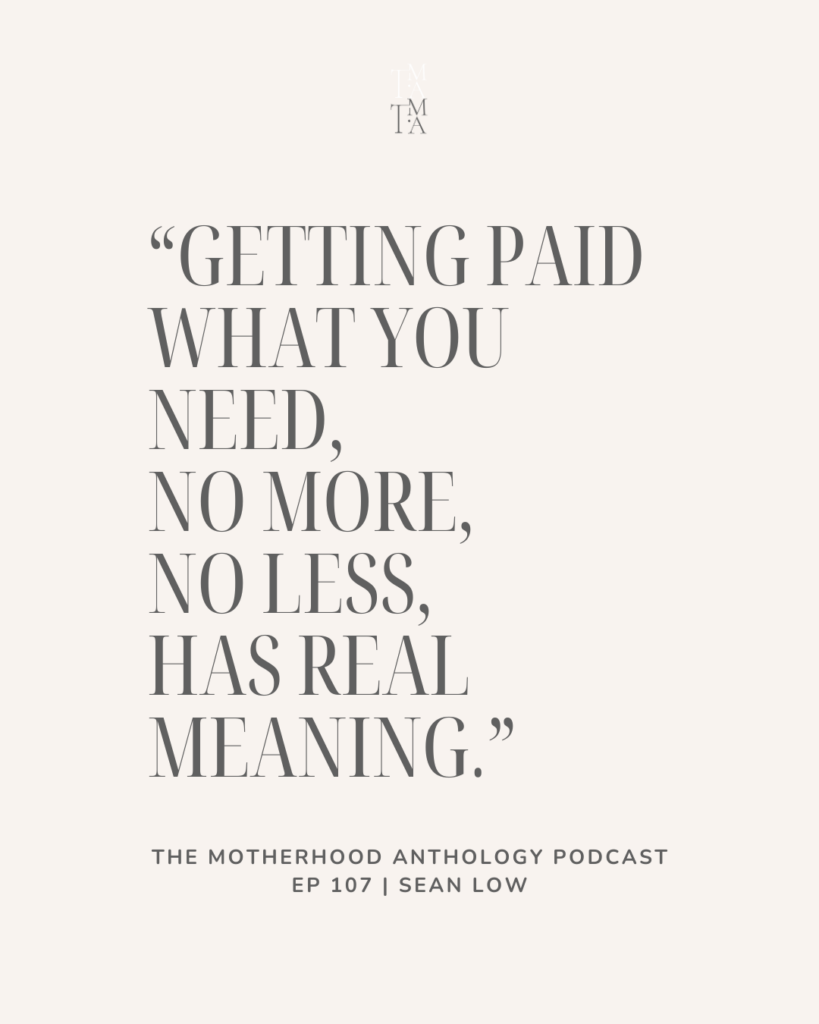
This reframe matters because so many photographers price the way they were taught, a low session fee to get a foot in the door, hoping to make up the difference later. Sean warned that approach breeds quiet resentment on both sides. When a photographer discounts their time to stay busy, the resentment eventually shows up in the work itself. “Getting paid what you need, no more, no less, has real meaning,” he said, and he encouraged photographers to stop treating their session fee as a loss leader and start treating it as the true cost of their creative process, separate entirely from what a client later chooses to invest in the finished product.
What Happens When You Stop Asking About Budget
One of the most practical shifts Sean recommends is to stop asking clients what they want to spend. His reasoning is simple, clients cannot possibly know what to guess, because they are not the expert in what it costs to create the work they are imagining. Instead, he suggests stating plainly what an investment looks like and letting the client decide whether that aligns with what they want.
He also pushed back on the instinct to answer only the question a client brings in the door. A family that says they want photos of their “sports family” is not actually asking for a picture of a sport. “You get paid to ask better questions,” Sean said, describing how digging into whether the family values competition, teamwork, or fitness leads to images that feel true rather than generic.
That same willingness to go deeper shows up in how Sean talked about vulnerability. He shared the idea that a photographer has to be willing to reveal something of themselves first, before ever asking a client to do the same. As an example, he described a client preparing for a boudoir session who felt more exposed in a backless dress than in lingerie, since she had never let her own husband see her in a dress without layers underneath. Unpacking that kind of discomfort before the camera ever comes out, Sean explained, is part of what makes the eventual images mean something.
Business as a Slinky, Not a Factory
Sean’s favorite image for a healthy creative business is a slinky rather than a factory. A factory caps what you can charge and rewards volume over care. A slinky has structure, ribs that should never be bent or broken, but within that structure there is room to stretch, compress, and reshape the business again and again without losing its integrity. “Please don’t see your business as a factory,” Sean urged, reminding photographers that a business built on discounting to stay busy will always trend toward resentment, while a business built on knowing your worth in every season, slow or full, protects both the work and the person doing it.
This is exactly the kind of pricing confidence that takes root when photographers are not figuring it out alone. Hearing Sean’s frameworks alongside a community of photographers working through the same questions, comparing notes, and testing new language with real clients is where a concept like this stops being theory and starts changing how someone actually runs their business.
Listen and Learn More
This episode is worth a listen for the full conversation, including Sean’s story about a client who found more healing in the conversations leading up to her session than in the photos themselves, and his advice on how to talk about price without ever apologizing for it.
Find Sean at thebusinessofbeingcreative.com or on Instagram at @seanlow1.
Find Shannon at shannongriffin.com or on Instagram at @shannongriffin.
Ready to build a business that reflects your own creative voice? The Motherhood Anthology membership gives you access to expert mentors, live coaching, monthly marketing suites, and a private community of photographers who are invested in your success. Learn more and join at themotherhoodanthology.com.

The Motherhood Anthology is a community and educational resource for photographers who want a profitable and sustainable business they love. With 15+ expert mentors and 7+ years of proven content, TMA helps portrait photographers build confident, thriving businesses through monthly education, mentorship, and a supportive community of 700+ members.